
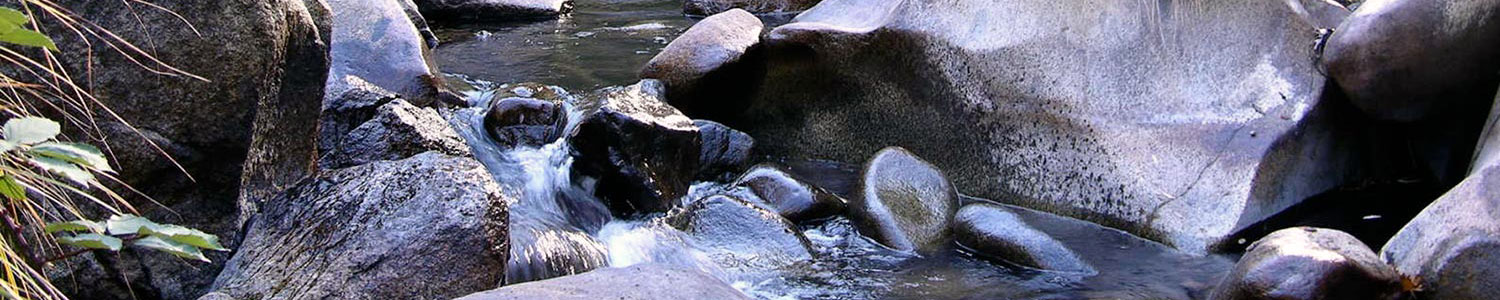
During a string of warm and sunny days in early December, the Sierra Streams Institute (SSI) restoration team set out to plant hundreds of native plants along the banks of Dry Creek in Yuba County. First thing in the morning, with frost still on the ground, we loaded up our truck bed with hundreds of seedlings, including: elderberry, California rose, narrowleaf willow, mulefat, western vervain, golden currant, California lilac, purple needlegrass, gumplant, pacific aster, California goldenrod, coffeeberry, California fuchsia, silver bush lupine, redbud, California buckwheat, deergrass, golden currant, coyotebrush, and over four hundred tiny milkweed plugs.
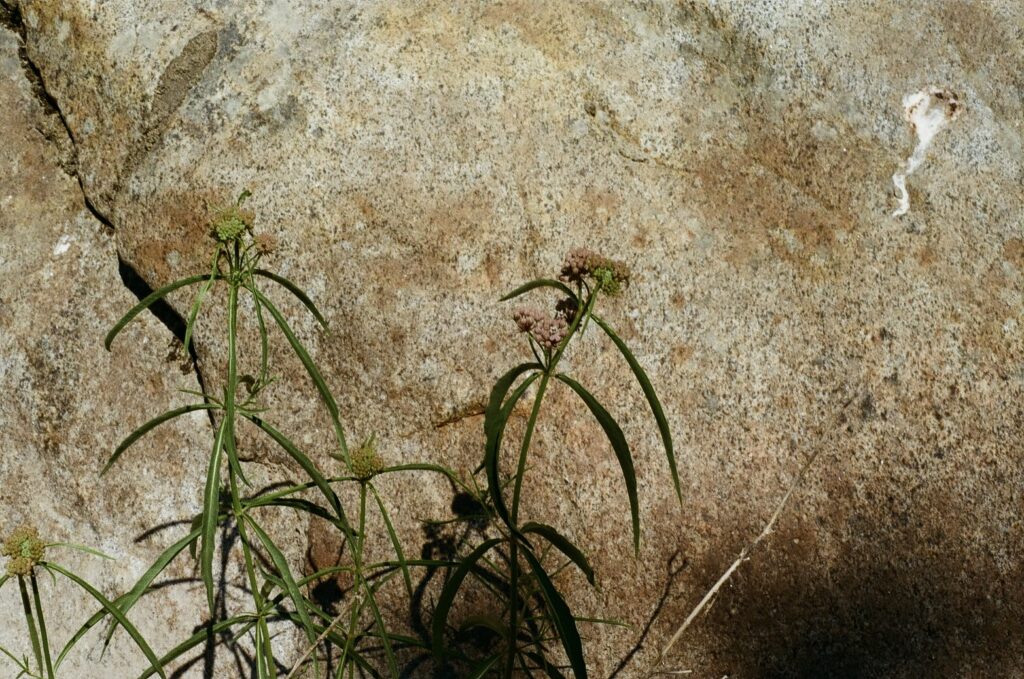
These plants were generously awarded by the Xerces Society, a California based scientific organization that advocates for the conservation of native pollinator species and pollinator habitat. Xerces curates, cultivates, and distributes local ‘habitat kits’ to partner organizations at no extra cost. We received a combination of their ‘hedgerow’ and ‘riparian hedgerow’ kits to match the conditions at this planting site. With a little bit of tending, these kits will grow into a rich native landscape of wetland and upland plants.
More information about the Xerces Society, their mission and legacy, and the programs they offer can be found here.
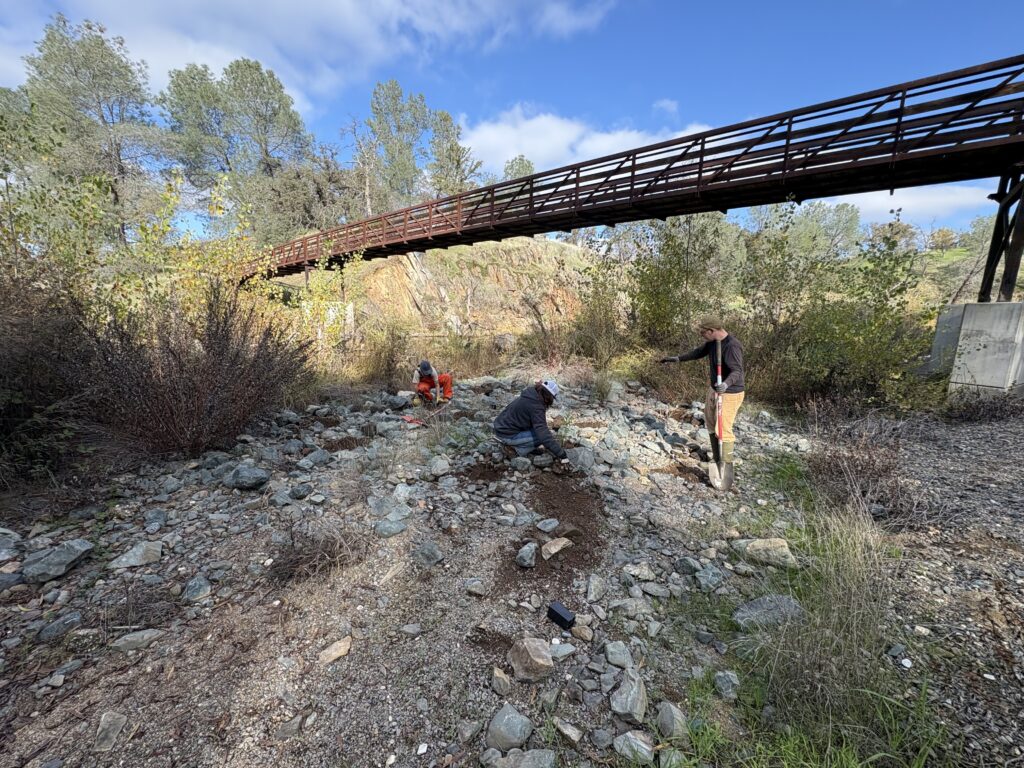
SSI has been working to restore riparian habitat on Dry Creek at Beale Air Force Base following the removal of the Beale Lake Dam. The restoration site sits directly in the dam’s old footprint. Dry Creek has historically been a spawning ground for Central Valley Steelhead and fall-run Chinook Salmon, and we’ve added more native plants to this site every year with the goal of increasing in-stream shading (cooler water improves conditions for migrating fish species), and to provide diverse habitat and food sources for local wildlife.
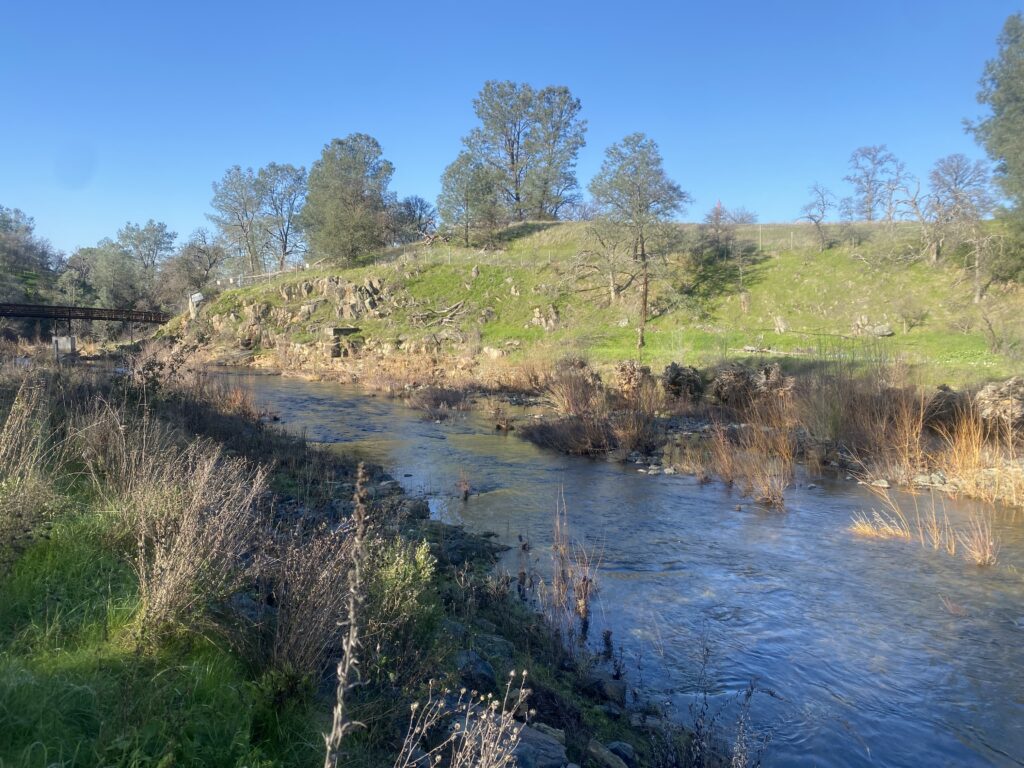
With a little time and effort, and a whole lot of help from one of our top notch volunteers (thank you Julie Herrlinger!), we were able to get all of the plants tucked in just ahead of a much needed rainstorm. We’ve been checking on them regularly and working to add wire caging (for protection from hungry deer) and drip irrigation. They’ll get plenty of water throughout the rainy season, but by summer we’ll need to be ready to provide them with supplemental irrigation as they continue to develop robust root systems.
Habitat restoration is a multifaceted process that requires a wide variety of approaches to rebalancing and rebuilding healthy ecological structures. We’re so excited and grateful to have had the support of our partners at the Xerces Society and Beale Air Force Base as we continue to work towards increasing populations of native vegetation on Dry Creek.