
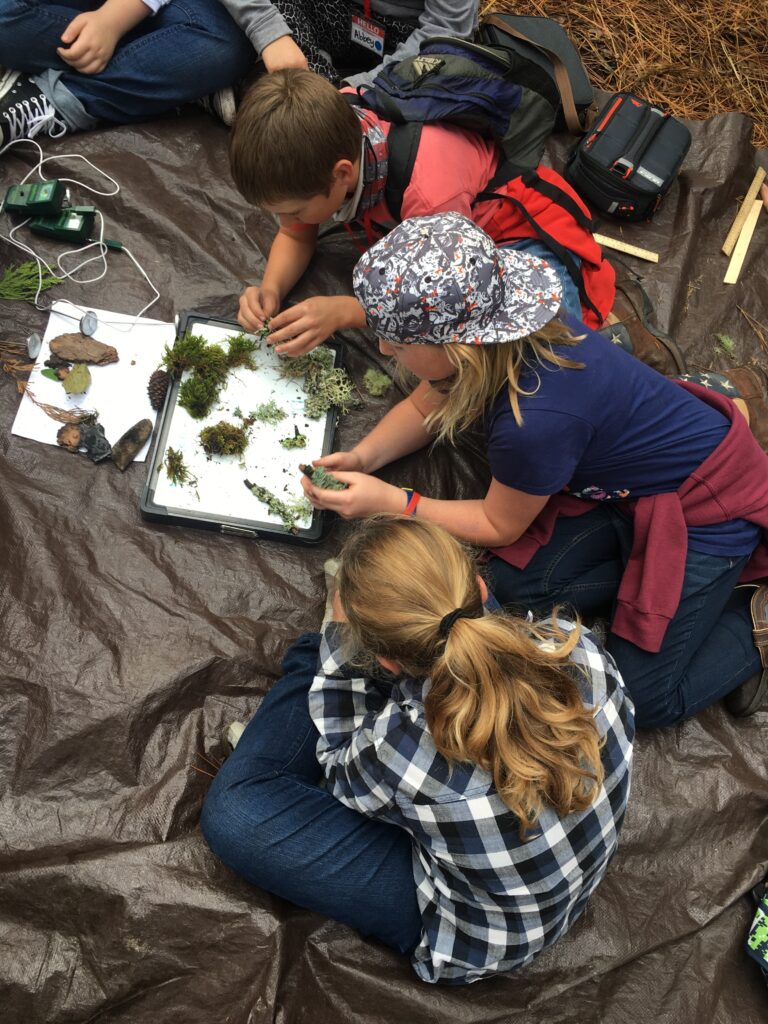
Two new outdoor education resources are helping educators bring students outside to study environmental science and share their experiences across the watershed. Developed through a two-year Environmental Education grant from the U.S. Environmental Protection Agency, the Field Sites Database and Watershed Communication Toolkit provide tools for planning field trips and connecting students through shared learning experiences. The focus of the project was on the schools of Nevada and Yuba Counties but the resources produced are available to all schools and to the public as well! You can find the completed resources HERE.
California communities rely on healthy waterways in many ways, from supporting wildlife and providing drinking water to sustaining agriculture and industry. As climate change drives warming waters and increasingly unpredictable drought and storm cycles, helping the next generation understand and engage with these systems and complex issues has become increasingly important.
Field Sites Database
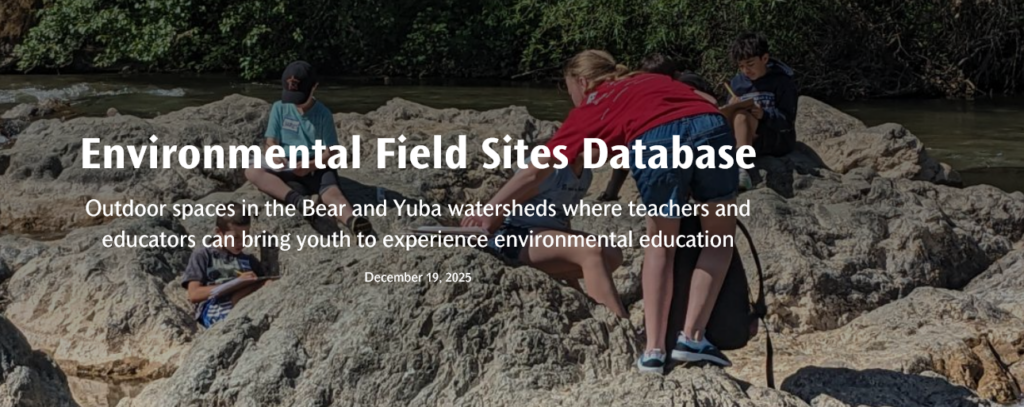
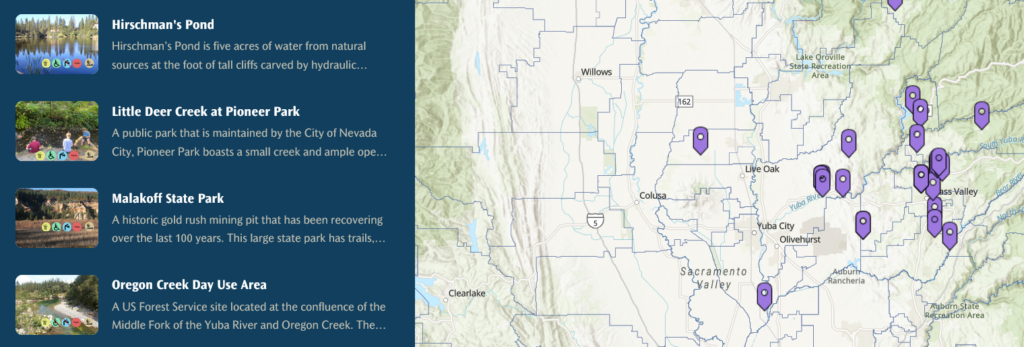
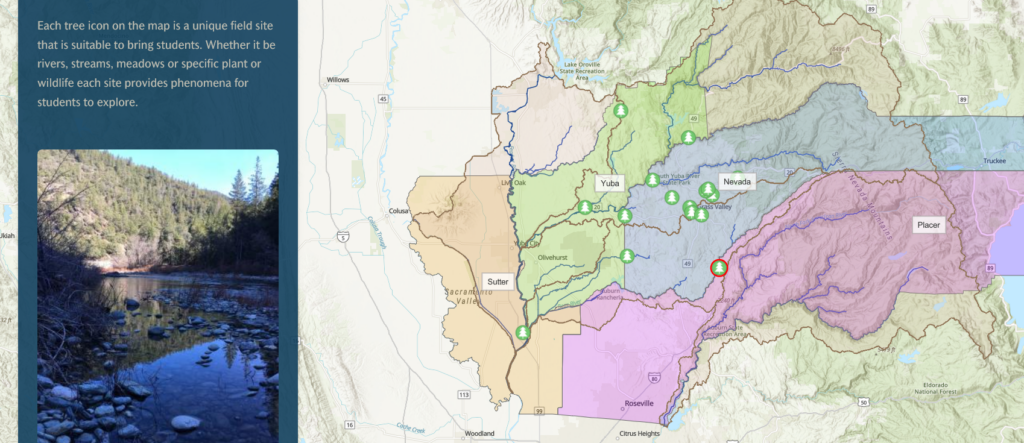
The Field Sites Database gives educators a centralized resource for identifying outdoor locations suitable for environmental learning. Teachers and program leaders can search for sites where students can study local ecosystems, experience nature, and participate in hands-on science activities. Each listing includes maps, photos, and descriptions to help educators plan field trips and select locations that align with their curriculum.
The database also includes logistical details to help educators plan safe and successful visits. Information about site conditions, potential hazards, parking, and amenities such as restrooms and potable water helps teachers determine whether a location is appropriate for their group. Listings also identify the organizations that manage each site and note whether partners are actively working with students there.
One reviewer of the database highlighted the value of having this information gathered in one place: “The internet is kind of crazy and I feel like there are a million websites out there about places…This simplifies a specific set of information for a specific audience and purpose and provides a single access point.”
Although the database was created with educators in mind, it is also available to families and community members interested in exploring outdoor sites across our region.
Watershed Communication Toolkit
Complementing the database is the Watershed Communication Toolkit (WCT), a collection of activities designed to help students reflect on and share their outdoor learning experiences. After visiting a field site, students document their observations through writing, artwork, or other creative formats and prepare to share their experiences with other students.
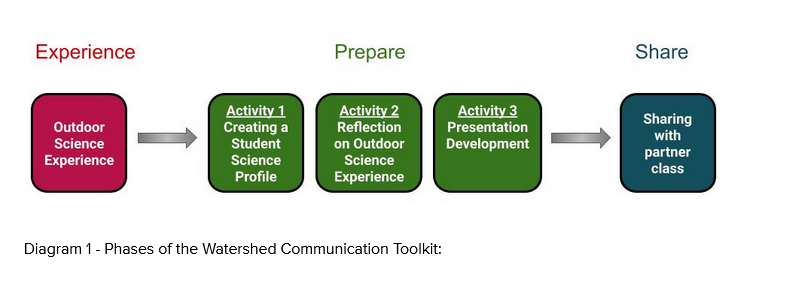
Eight teachers piloted the Toolkit this fall. Some classrooms created PowerPoint presentations, others wrote letters, and some students met outdoors to exchange their experiences directly with peers.
By encouraging students to communicate about their field experiences, the Toolkit aims to strengthen connections across the watershed and foster a shared understanding of the natural resources communities depend on.
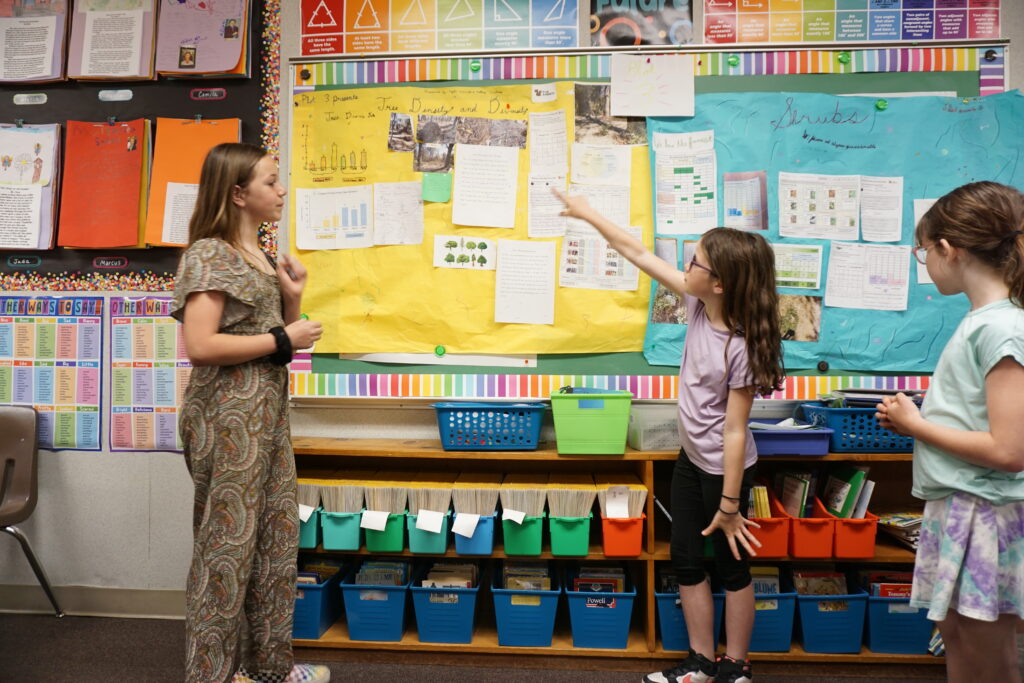
One teacher who piloted the program stated, “Students really enjoyed getting pictures of things we observed and using the words they learned on our field trip.”
Another said, “This was really great. I think using the profile as a pen pal format was valuable for our school. Students enjoyed learning about others.”
The new resources support educators while encouraging broader community engagement with local environments. Educators, community members, and organizations interested in outdoor learning are encouraged to explore and share these resources widely. You can find both resources now at www.sierrastreamsinstitute.org/watershed-learning-resources.
For further inquiries contact sol@sierrastreamsinstitute.org.