
In these interesting times of politicization of science, we’ve decided we can’t sit idly by, taking a quiet backseat to public discourse as we often do at SSI, but instead speak up against what we see as the erosion of public understanding and trust in science. However, instead of making a claim or stating a position (other than this introduction), we’ve decided to simply discuss what science is and is not, and point to the need to continue to educate ourselves and each other about the scientific process. It is only through understanding, self-reflection, humility, and continued study that we all truly trust ourselves to gauge the treatment of science and scientific information at the federal level. And it is only through having these conversations and continuing to reflect on what science is and how we do it that we can better ourselves as a truly informed society. So below are a few principles of science, paired with caveats, that we all need to continue to remind ourselves of if we are to truly feel empowered as community members. The following points will be released over a series of blog posts in the coming months, but we’ll go through the list one by one:
- Science is changing your mind (but knowing when there is or isn’t enough evidence to do so)
- Science is “built on the shoulder of giants” (but can be done by anyone, as long as “first principles” are adhered to)
- “Correlation doesn’t equal causation” (but can if the “mechanism” makes sense)
- Science doesn’t make decisions or tell you how to live your life, it only provides information
- Science is a process, not an institution (but has an established process by which ideas are shared and agreed upon)
- Science is humility (but not always in the direction people think)
- Science is uncertainty (but this uncertainty is based in understanding of what you can and can’t know)
Science is “built on the shoulder of giants” (but can be done by anyone, as long as “first principles” are adhered to)
Expertise is a word that sometimes gets a bad rap or is misused. Think of an “expert” you would call when you need something done; a plumber, a carpenter, or an arborist. Typically when we think of “expertise” in these arenas, we think of “professionals”, but really it boils down to trust in the amount of time they’ve spent doing that thing, and also based on past track record. Science is slightly different, but based on similar principles; “expertise” is often gleaned over extensive periods of time studying a particular topic, subject, or question, but by using basic scientific processes that anyone can use. In other words, science is accessible to anyone, scientific expertise is built by doing research in a field over time.
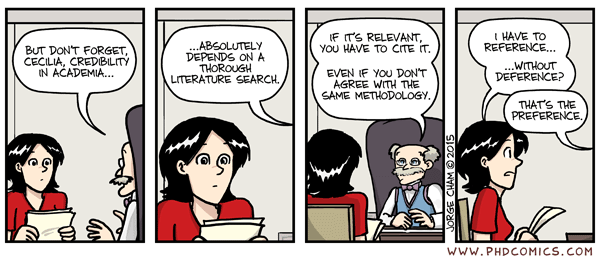
Consider the modern approach to academic scientific expertise; a PhD in a particular field typically attends an undergraduate college program (4-5 years), followed by technical training and independent research through either a master’s program (2-3 years) followed by a PhD program (3-7 years), or both. These years of graduate study are often split into two primary phases: literature review and training, and independent study generating new knowledge. Most of the early phases of graduate study are essentially reading, and I mean LOTS of reading. Arguably, people leaving a graduate program’s first phase should be considered the most recently anointed experts in the state of “the literature” (the current written and published record) within a particular field of study at that time. This typically culminates in what is known as a “qualifying exam”, in which the candidate shows the assessing body (a committee of advisors and colleagues—other experts in their particular fields) that fully understand the current body of knowledge (including what we don’t know) in that field. Only once the state of the literature is truly known can we then construct informed hypotheses and tests that lead to new research and new knowledge. This is what it means to be “built on the shoulders of giants”; by studying the countless studies done before ours, we can be confident (or not!) in the lines of evidence that helped generate our question and some of the anticipated results (or…hypotheses!). This doesn’t mean we are “agreeing” with the results of everything we read, we are just putting our results in context of what is known or has been tested, (even if we think it’s wrong or poorly done; our opinion is irrelevant in science unless we can show why or how we think a result is wrong): science is iterative.
Published scientific information isn’t the only kind of expertise (Nor should you trust science simply because it is published! More on what “publication” means in a coming blog). Traditional ecological knowledge—for example, knowledge passed down through generations in indigenous communities or through generations of people working a particular plot of land—is also expertise, and is science too (just often un-written in the traditional academic sense)! In fact, much of western science is often simply “rediscovering” prior knowledge, but in quantifyable scientific terms. The basic principle of knowledge transfer is the same, however; observations of patterns and results of trying things on the land are passed to future generations who then build on that knowledge. What underscores all scientific expertise is iteration, testing, observing, and gathering and sharing data in some way. While science is “built on the shoulders of giants”, we can all partake in science by making a simple observation, and asking a question based on that observation.
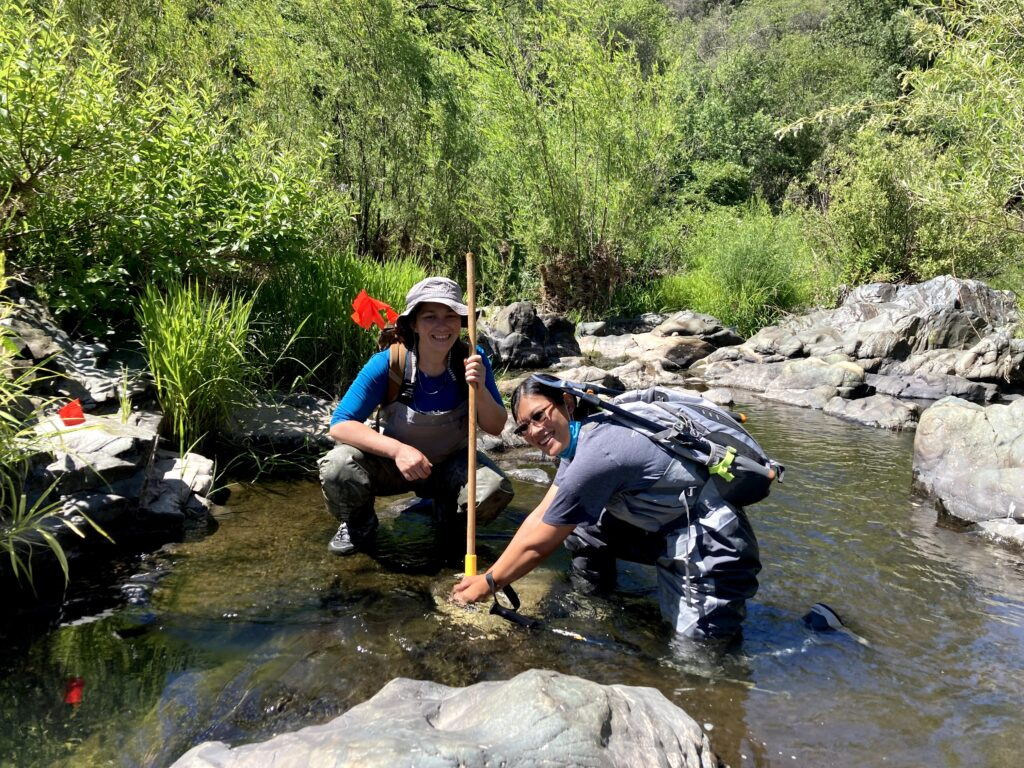
We can all be scientists! Where we need to be careful, though, is in our assumptions around how we frame our question and the tools we use to gather and interpret data; this is where “first principles” and “mechanism” come into play, and distinguish science from “pseudoscience”. Scientific questions are testable, which also means they are “falsifiable” (able to be disproven). Pseudoscience is the application of seemingly scientific concepts or approaches to untestable questions, or basing conclusions falsely off of limited evidence, a lack of mechanism (i.e. a logical relationship between observations or “cause and effect [more on this next time]), or false assumptions, often violating “first principles”.
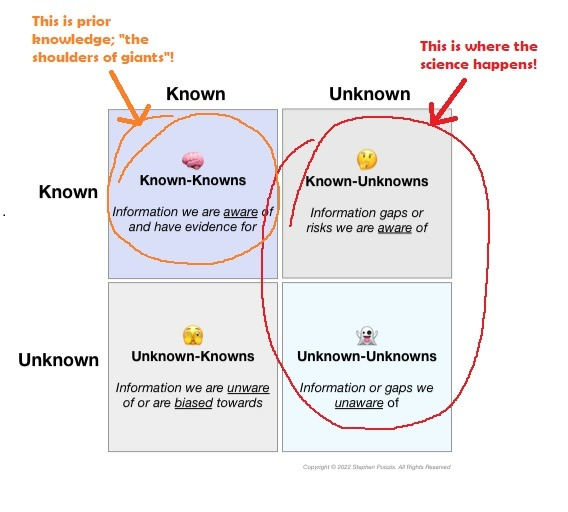
Note that “first principles” are yet another example of a term that have been co-opted in interesting ways, but are used here to simply mean “agreed upon assumptions/ideas that allow us to ask more complicated questions”. This is the “shoulders of giants” aspect of science; imagine if every time we wanted to study how a certain kind of nutrient in soils helps plants grow, we had to first re-study the basic structure of soil (or even what soil is), how nutrients move in soils, or even just what plants are and how their cells interact and move substances…the study would never get off the ground (no pun intended)! But by first “reviewing the literature” we can agree to some level of agreed upon mechanisms of nutrient uptake and move on to our study, while acknowledging caveats or other things that may influence the study that we found during our literature review. This is related to our idea of what we “know” and “don’t know” in a particular field. See the diagram below; we will discuss this classic interpretation (made famous again by that notorious Donald Rumsfeld speech!) of knowledge in a future post, but for now, just know that the “known unknowns” (and even the “unknown unknowns”) are based on the “known knowns”, and are where the real science happens!
So how can we say that anyone can do science but that it also is built on the shoulders of giants? We check our assumptions (first principles), we do our best to understand what we may know or not know about our study system (literature review), we check that our question is logical and testable, and we check that our hypothesis makes sense and is falsifiable with evidence.
Here at SSI, in fact, we often extoll the virtues of Community Science—the process by which community members from all walks of life make observations, ask questions, collect and analyze data, and interpret results to try to explain natural phenomena. This means anyone can be a scientist! Next time you go out and make an observation, and form a question and hypothesis, just take a moment to think about how much we know—and how much we don’t have to “re ask”—because of all of the questions asked before. Stay curious, put your observations in context, and remember that we can always learn from those who came before us.