The Sierra Streams Institute Education Program is gearing up for a busy fall. Despite losing significant federal funding in the spring and the swirling uncertainty, outdoor educational resources and opportunities remain a top priority. Here is a quick update from SSI’s Education Department:
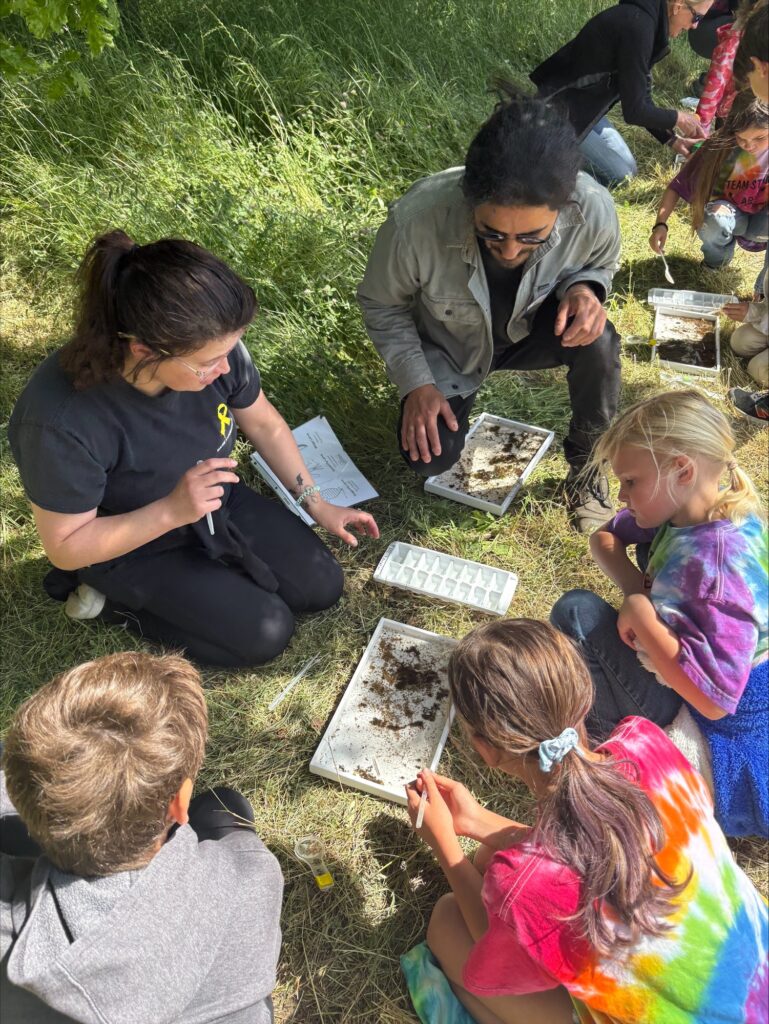
Educational programming will begin at the Beale Lake restoration site along Dry Creek at the Air Force Base. This project has been running for 4 years now to restore Dry Creek after the removal of the Beale Lake impoundment resulting in a Chinook Salmon passage up past the Beal Lake site towards Spenceville Wildlife Preserve. SSI Education plans to run stream ecology field programs with students from Lone Tree School collecting and identifying macroinvertebrates, collecting water quality data, and learning about the benefits of restoring salmon passage to our streams and rivers!
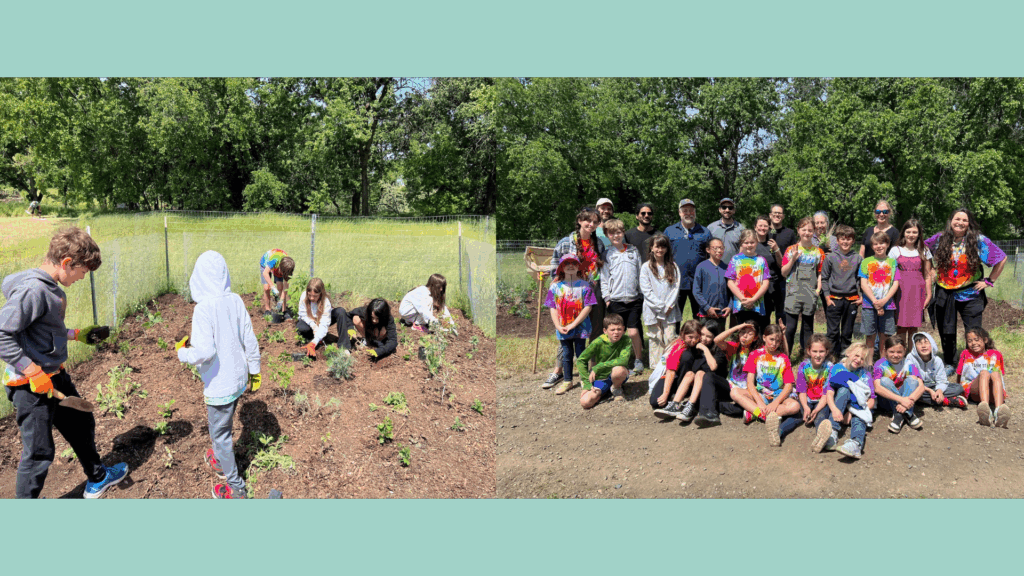
In a related project SSI will be carrying out gravel injections at the Spenceville Wildlife Preserve in order to create spawning habitat for Chinook. SSI will also be planning educational programming for 3rd through 8th grade students at the Spenceville site. If you are a teacher and are interested in a program there please let us know!
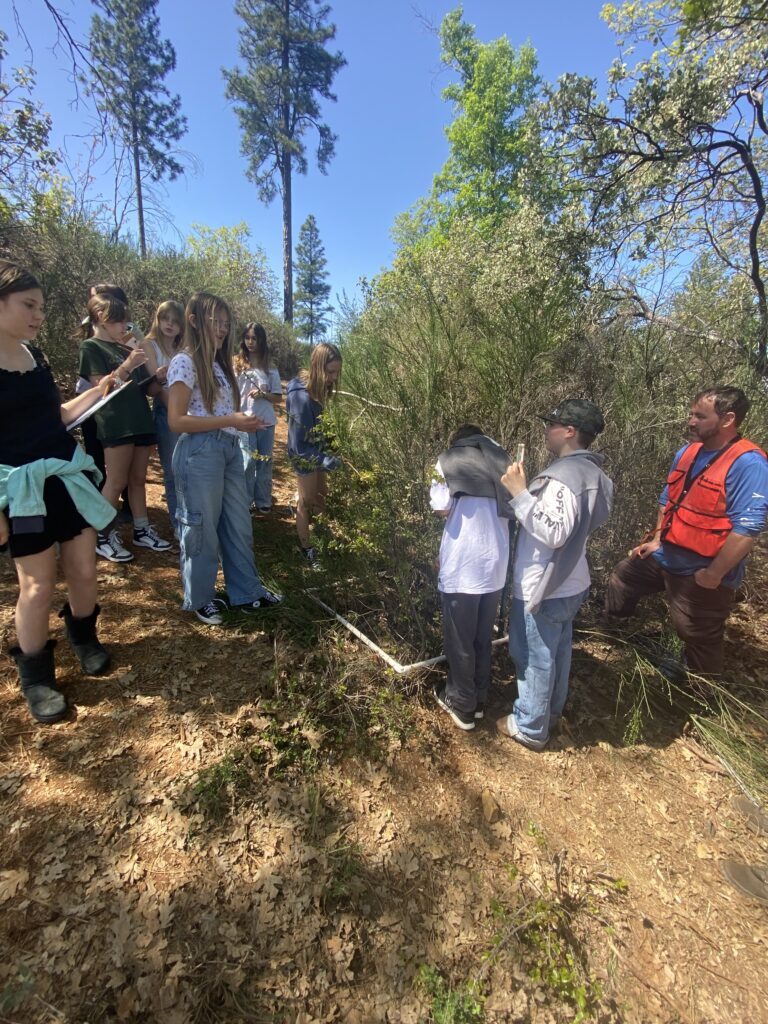
Another project near it’s conclusion is the Nevada County School of the Arts fuel reduction project. This years long project started with a forest management plan funded through the Wildlife Conservation Board. In 2023 SSI obtained funding to implement that forest management plan which included an experimental program to remove acres of scotch broom as a result of the Lobo Fire and subsequent salvage log. SSI education is collecting data with the 6th and 7th grade classes at NCSA to determine the rate of recovery of the scotch broom after different treatments that include prescribed fire!
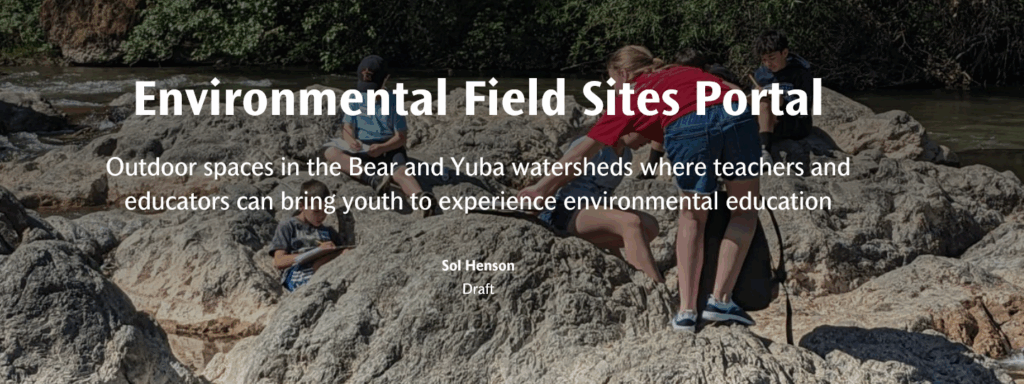
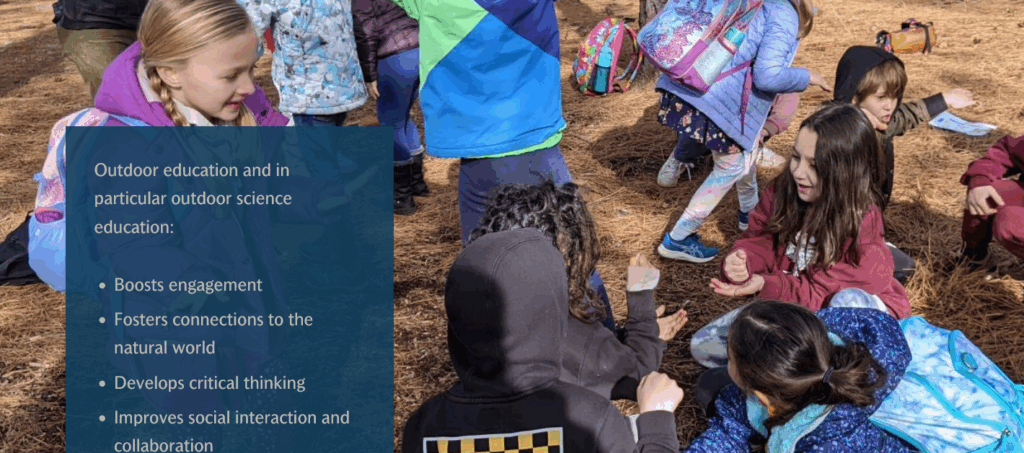
Perhaps most exciting, SSI Education is working on a grant funded by the EPA Environmental Education program to promote and leverage outdoor education across the watershed. We are partnering with a number of organizations in Nevada and Yuba County to increase outdoor science learning across the region. These organizations include SYRCL, Wolf Creek Community Alliance, Bear Yuba Land Trust, Sierra Buttes Regional Land Trust, University of California Cooperative Extension, Point Blue, Linda Elementary School, Shady Creek Outdoor School, and the Yuba City County Office of Education.
This project consists of three parts:
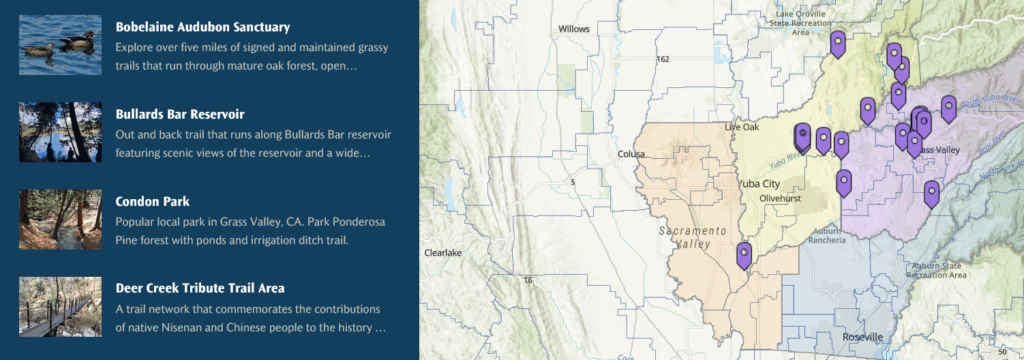
- Create an outdoor education database as a resource for formal and informal educators to plan and carry out outdoor science education with their students. The database includes dozens of locations in Yuba and Nevada Counties where teachers can bring students to learn science outdoors. The database includes detailed descriptions of the sites, logistics for bringing students (ie parking and bathrooms), science phenomena present (ie nesting egret rookeries), detailed maps, great images and descriptions of organizations doing education programming at the sites. The database is created on ArcGIS Storymaps designed for a beautiful experience as you scroll through looking for the best field sites to take your students. The beta version should be out by the end of September so keep an eye out for that. We would love any and all feedback on the resource to make it as useful as possible.
- The second part of the project is to design a Watershed Communication Toolkit. The toolkit is a series of activities that support students to create presentations highlighting their field experiences. These are then shared with a class in another part of the watershed. This cross watershed cross cultural exchange allows students to connect with each other and learn about issues and phenomena across the watershed. The toolkit prepares students to write letters to penpals, present in person, and also to present over zoom. This will be a free resource for any teacher at any time!
- The last part of the project is to pilot the toolkit with teachers this fall and possibly spring of 2026. If you are a 3rd through 5th grade teacher in 3rd through 5th grade and you want to pilot this the toolkit please reach out to us and let us know! If you are a parent and want your child involved please reach out to their teacher!