
2025 was a year of change, as you all know. We saw changes in administration, environmental protections, and funding for scientific and educational work for many in the field and also here at SSI. As the year comes to a close, I wanted to take a moment to reflect on where we’ve been, what storms we’ve weathered, who we’ve built new and lasting relationships with, and why we have a particular theme in mind for our 2026 work. Here I’ll break down just a few of our wins (things that went well), the losses (things that were struggles for SSI and our community), and new opportunities that came our way during this topsy turvy year.
The Wins We Celebrated:
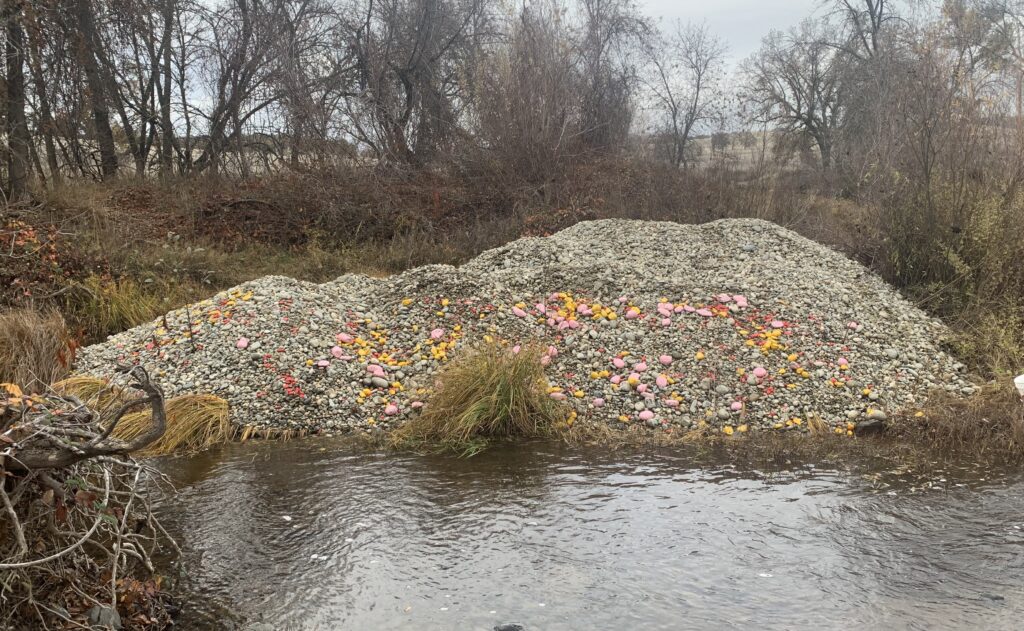
- Completed a new trail at Beale Air Force base tied to our restoration work after the dam removal on Dry Creek, and secured new funding to restore Salmon habitat in upper Dry Creek to boost spawning for the first Salmon to reach the headwaters in over 80 years.
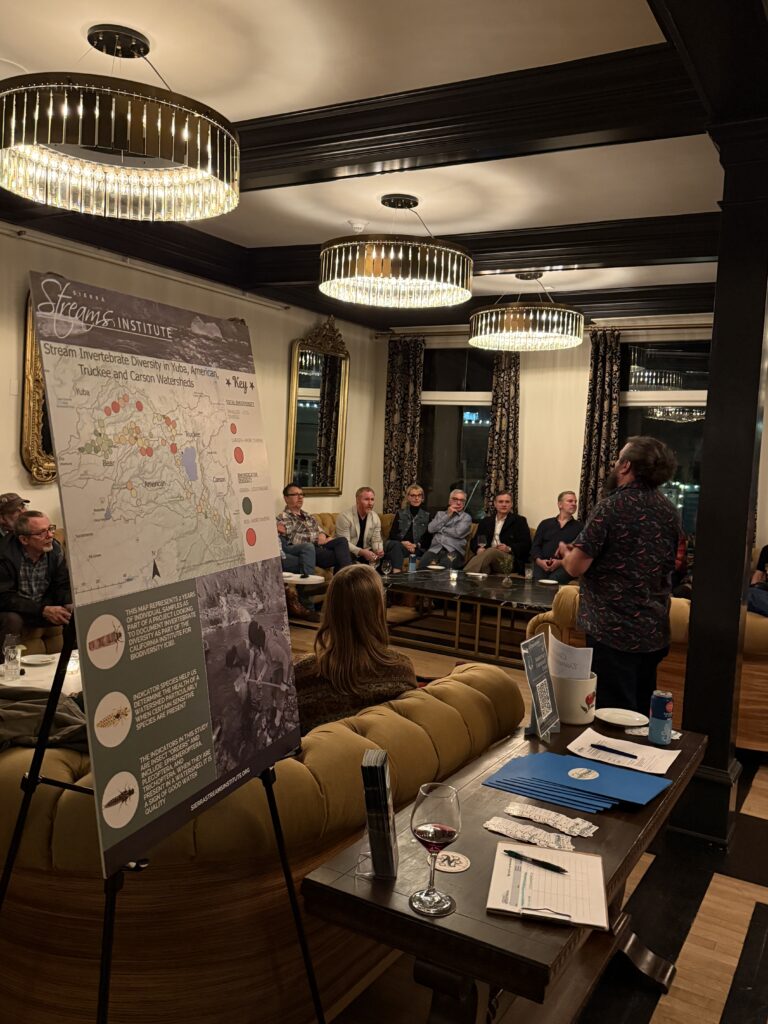
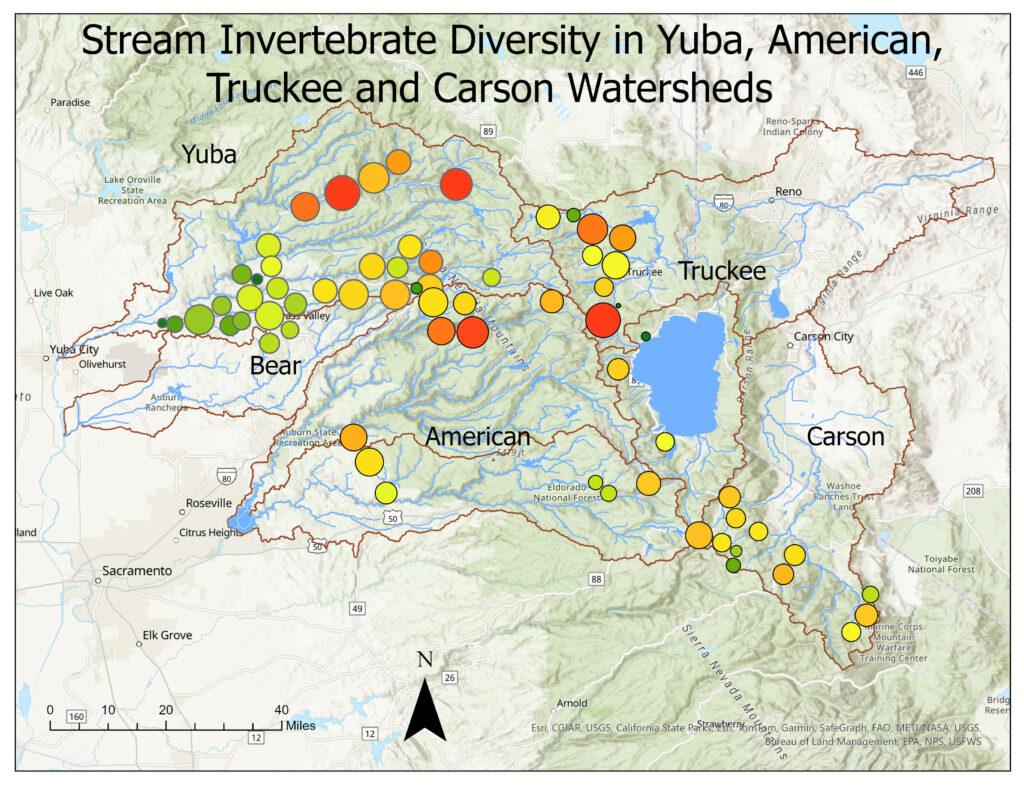
- Expanded our geographic scope to match our name: initiated research on climate change resilience versus susceptibility of Sierra stream headwaters from the Pit River down to the Stanislaus River through the Delta Stewardship Council.
- Completed “cohort 2” (the second group) of landowner forest treatments within the footprint of Sierra Foothill Forest Climate Resilience Project, including prescribed fire, fuel reduction, community education, and research on treatment types.
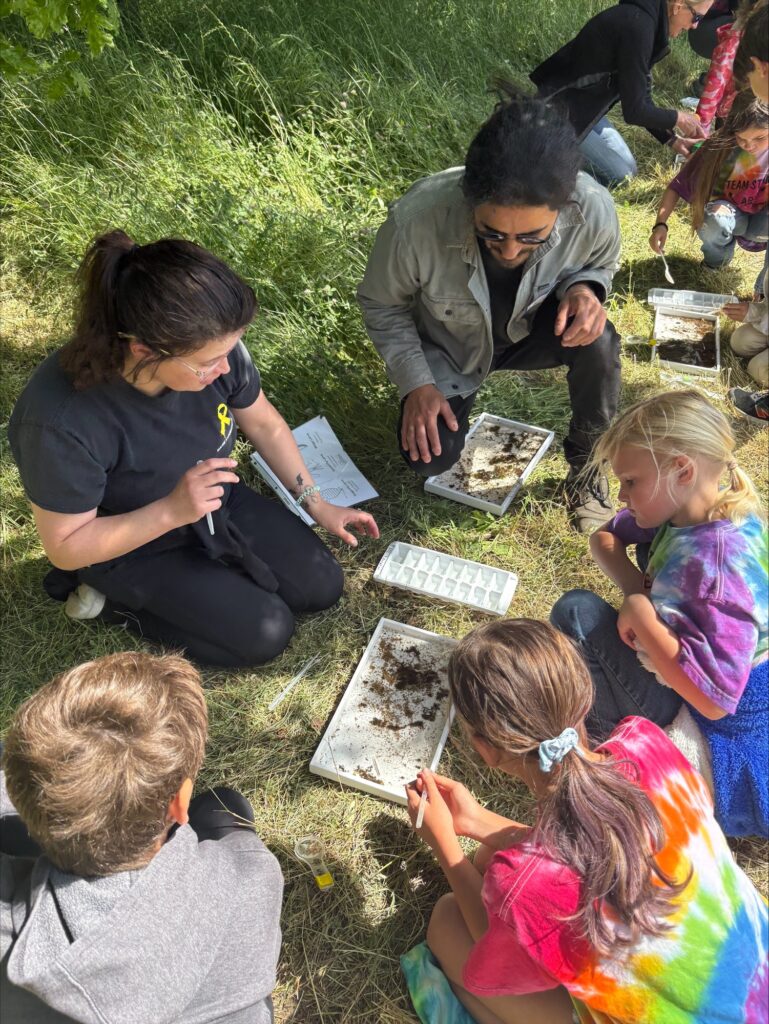
- Re-introduced our popular California Naturalist course to a full class after a few years without offering the program, and piloted a new California Naturalist Advanced course in Stream Ecology.
- Completed analysis of 20 years of benthic macroinvertebrate (BMI) data to understand stream response to the hottest/driest and coldest/wettest years on record, producing numerous scientific conference presentations and a pending scientific article focused on Deer Creek as a case study.
- Developed a field education database for teachers to identify and learn all of the logistics about sites to take students outside to learn.
- Celebrated 30 years of SSI!
The Losses We Weathered:
- Had funding for the National Science Foundations (NSF) Alternatives in Science Learning (AISL) program pulled partway through the project, halting a partnership with Bear Yuba Land Trust, SRI, and the California Heritage: Indigenous Research Project to develop a new model of tribal-scientist-land manager partnership that explores and researches how learning through “western” versus “traditional ecological knowledge” approaches influence ecological understanding.
- Had funding for forest health education under FEMA pulled halfway through the project, continuing to implement the project out of pocket to support regional student understanding of forest health.
The Opportunities We Discovered:
- Build on developing partnerships within the Bear River watershed to revitalize the Bear River Restoration Plan and build community science research, education, and management opportunities in the River Fire scar and beyond, with a target for 2026 funding and work to begin.
- Build new partnerships with regional grassroots organizations to support novel forest management and mine waste remediation projects (with more information to come!)
- Continue to work with and guide regional agencies and consortia on integration of data, science, uncertainty, and shared knowledge into regional and Sierra-wide watershed health.
SSI 2026: Rallying Behind Data, Evidence, and Science Communication.
Science and expertise are under attack. That is not an alarmist statement, and it is probably one that you all agree with or have at least heard whispers about. Dismantling of trusted panels of experts in medical science, gutting of regulations based on standardized definitions and decades of data such as the definition of US Waters, and even complete removal of data generated through decades of government-funded research on climate change from governmental websites all represent direct attacks on freedom of information and sharing of ideas and evidence used to understand problems of universal importance. Make no mistake; data and science are inherently apolitical, and unbiased. What a society does with those data and scientific information lay within the realm of government and political choice.
As a science-based organization, we here at Sierra Streams Institute (SSI) work first-hand with the community to conduct research, learn from each other, and educate ourselves and our community about what we know, what we don’t know, and what it means to live in our neck of the Sierra Nevada mountains.
In these interesting times of politicization of science, we’ve decided we can’t sit idly by, taking a quiet backseat to public discourse as we often do at SSI, but instead speak up against what we see as the erosion of public understanding and trust in science. While we historically have avoided advocacy in favor of rigorous science and education, we practice “advocacy through evidence”, and hope to work with you, the community, in 2026 to not artificially inflate or praise science as an institution, but instead to increase shared scientific research, understanding, and knowledge. Remember: science is a process, and it is for everyone.

Those are great wins in 2025! Quite a bummer about the NSF funding. I know that SSI will continue to do good things for this community by maintaining high scientific standards, engaging the community, and educating environmental stewards.