Environmental Field Sites Database
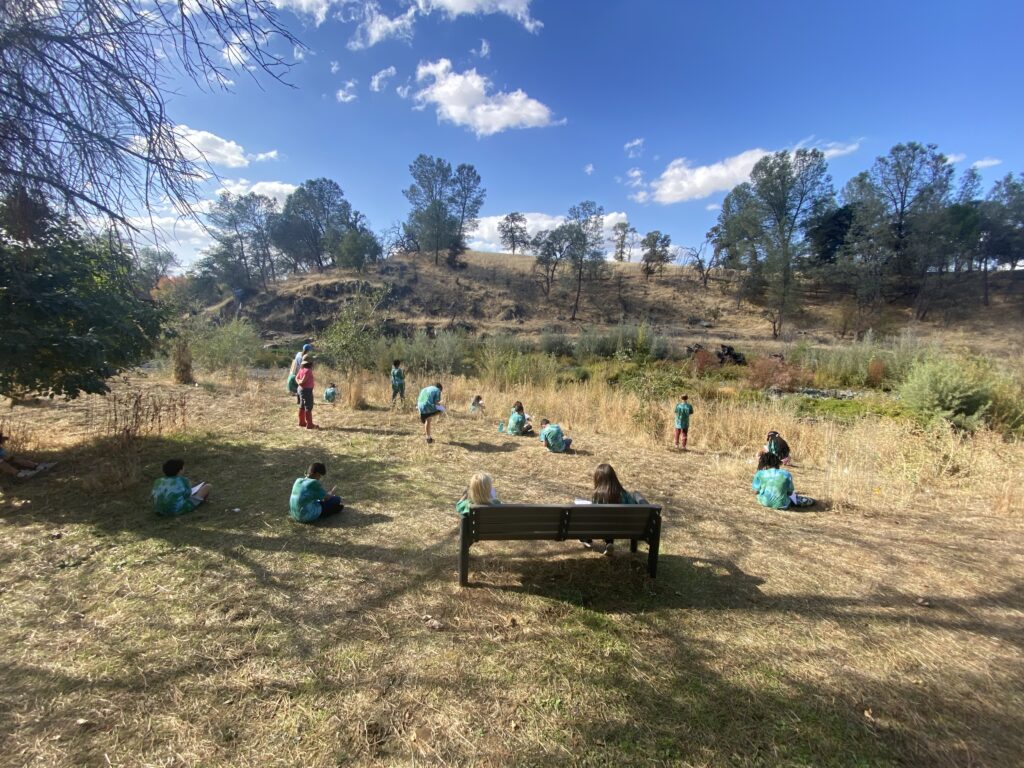
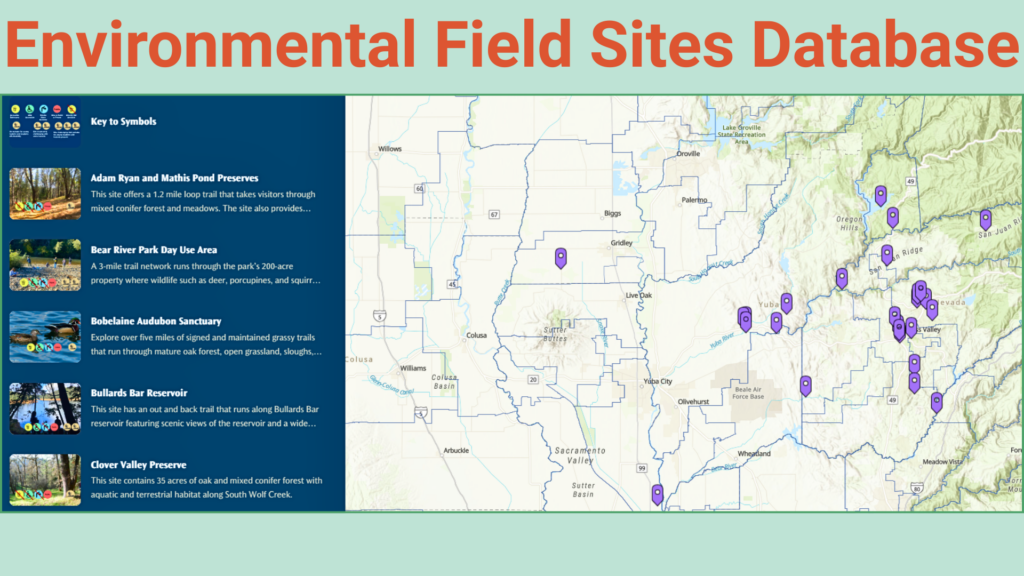
The Environmental Field Sites Database is a public, interactive resource designed to increase participation in outdoor environmental education by connecting teachers with accessible field sites and programs across Western Nevada and Yuba counties. The database includes detailed site information such as educational programming, safety and logistics, ecological phenomena, lesson resources, and connections to citizen science projects, all supported by in-person site assessments and partner collaboration. The database is publicly available as a comprehensive, user-friendly tool to help educators plan meaningful, safe, and inclusive outdoor learning experiences.
Click here, or the image below, to visit the Environmental Field Sites Database.
Watershed Communication Toolkit
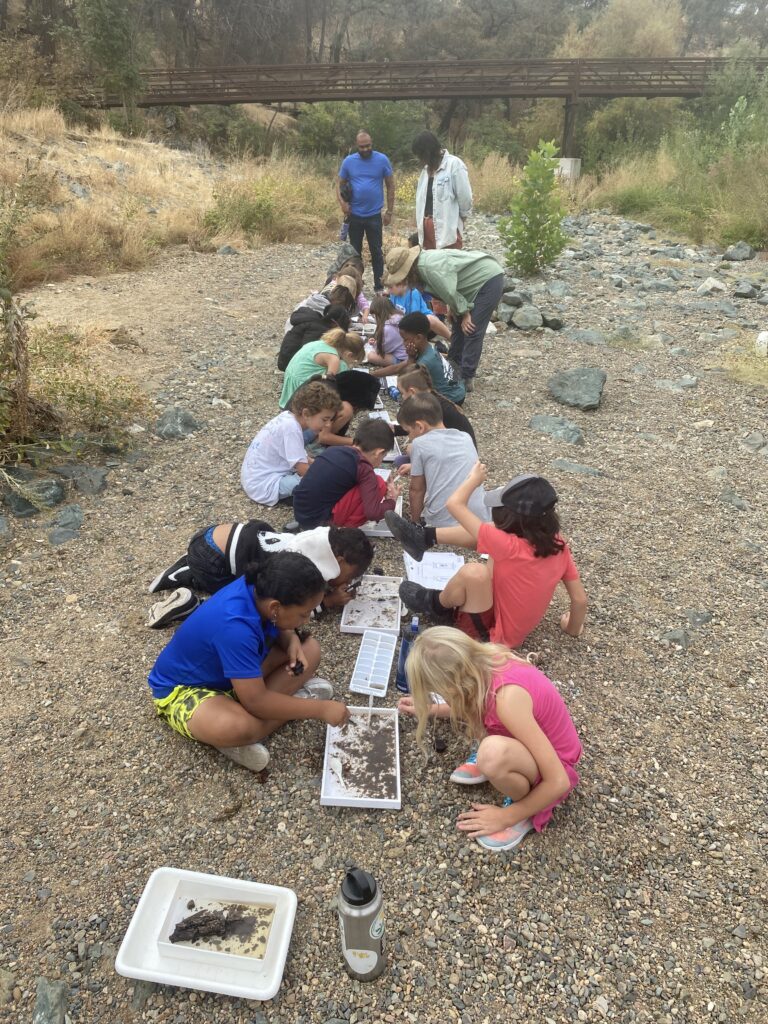
The Watershed Communication Toolkit (WCT) is a structured learning experience that guides students in meaningful communication with peers across their watershed. The toolkit is designed specifically to follow up on an Outdoor Science Experience (OSE) that engages students in field-based investigation. The Toolkit guides students through three activities that have them reflect on and synthesize their Outdoor Science Experience, then collaborate to create and deliver presentations that communicate their learning to a partner class in another part of the watershed. Through reflection, collaboration, and authentic audience engagement, the WCT fosters scientific thinking, environmental stewardship, and student voice.
Not sure if the Watershed Communication Toolkit is right for you? Read our Teacher Preparation Guide.
Activity 1: Student Science Profiles
In Activity 1, Student Science Profiles, invites students to create personal profiles that highlight their interests, experiences, and connections to outdoor learning and science. This activity helps build classroom community and establishes a foundation for collaboration with a partner class while encouraging students to reflect on their identities as scientists and learners. Teachers are encouraged to support safe and inclusive sharing practices by protecting student privacy, offering multiple ways to participate, and allowing students to share at their own comfort level.
Click here to access the Activity 1 curriculum folder.
Activity 2: Outdoor Science Reflection
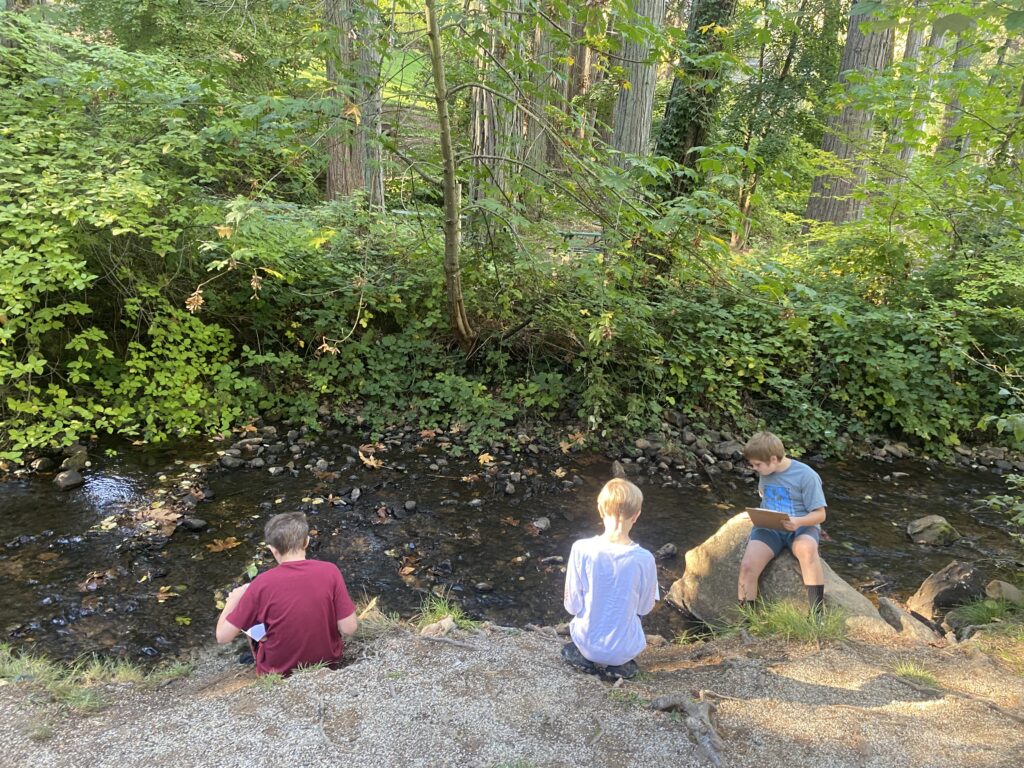
In Activity 2, students reflect on their Outdoor Science Experience (OSE), ideally soon after the field experience to capture fresh observations, insights, and emotions. Teachers can choose from three reflection formats—basic reflection, Claim-Evidence-Reasoning (CER), or an environmental issues focus—depending on student age, time, and instructional goals. These reflections, along with class summaries, serve as key resources for synthesizing learning and preparing for the final presentation.
Click here to access the Activity 2 curriculum folder.
Activity 3: Presentation Development
In Activity 3, students use their reflections and class summaries to develop a presentation that shares their Outdoor Science Experience with a partner class. Students determine or are guided toward a presentation format—such as slides, posters, letters, or recordings—and collaborate to organize and communicate their key ideas clearly. Teachers coordinate logistics with their partner class to ensure presentations are well-structured, interactive, and meaningful for both presenters and audience members.
Click here to access the Activity 3 curriculum folder.