Owl Creek BLM- Fuels and Community Assistance Project
In January of this year (2026), we received great news that our request for federal funding to reduc...

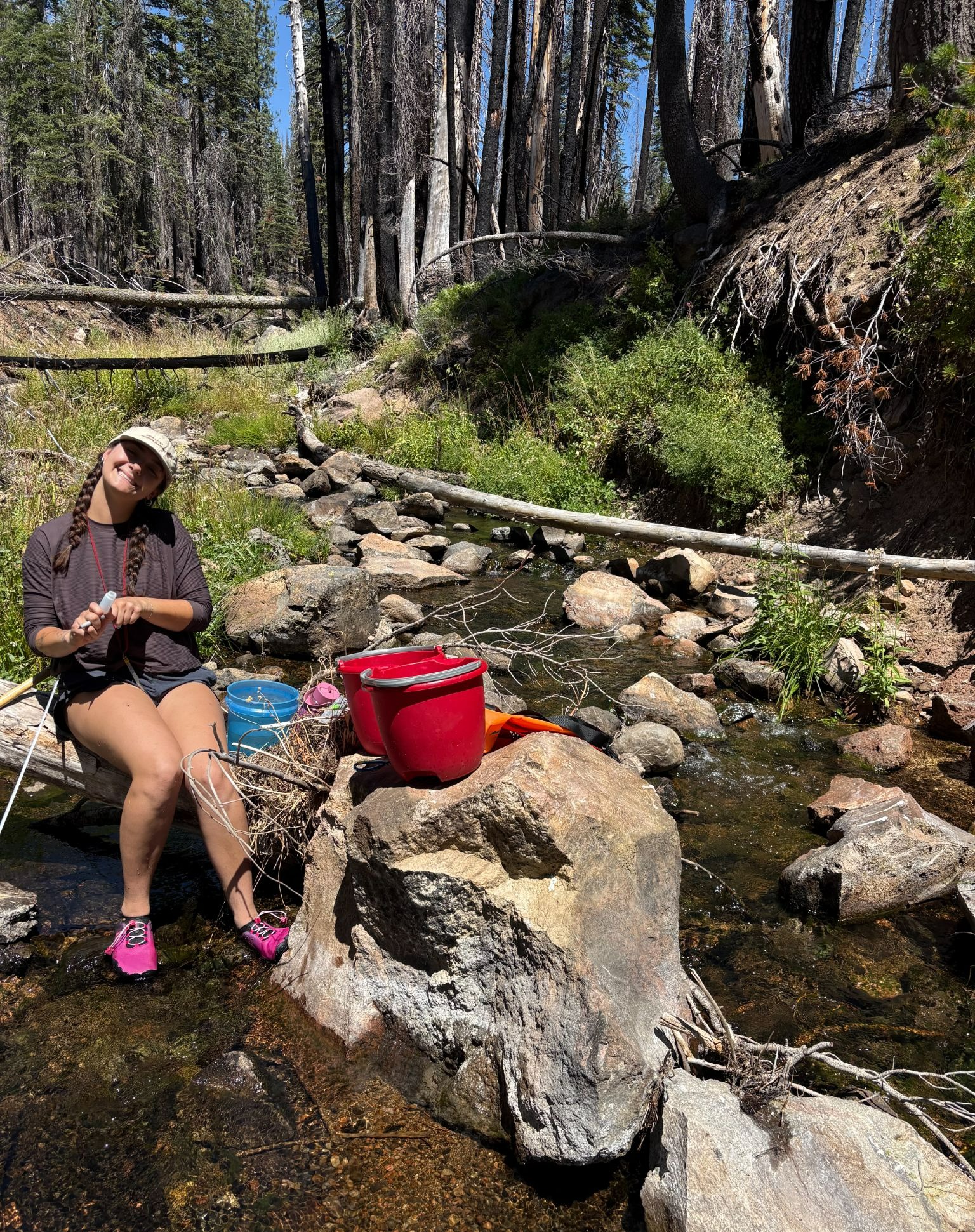
Now that we head into fall, it’s a perfect time to reflect on our 2026 monitoring field season here at SSI! As a part of our two year Delta Project- our monitoring team set out to investigate over 30 sites along 9 major watersheds, across the Sierra Nevadas and Cascades. Not only are these sites stunningly gorgeous, but they show a wide variety of diversity in the watershed, ranging from model Delta headwater rivers, to inquisitive intermittent streams, to creeks buried in burn scars. The main goal of this project is to use the data we collect in the field and process in our labs, to construct models that will help us understand the impacts of climate change on these freshwater ecosystems. You can read more about the Delta Project in our previous blog post.
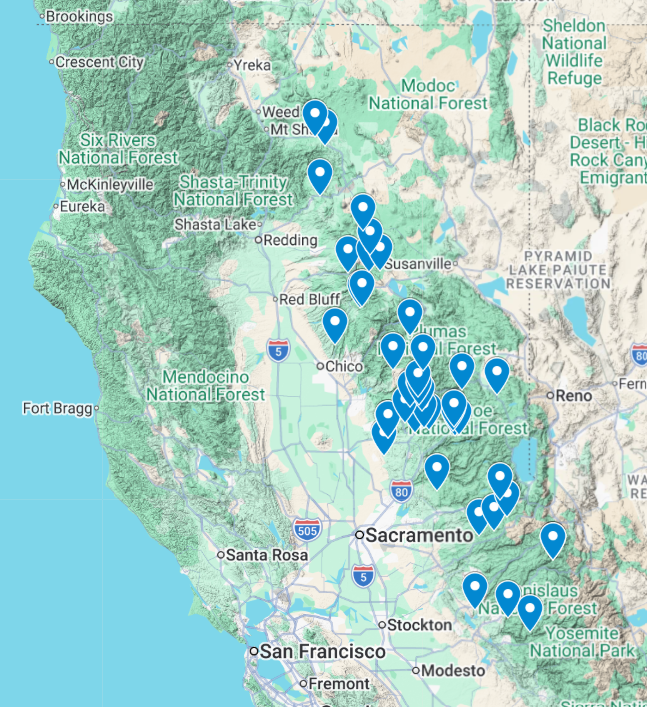
And with covering such a vast area of Northern California for our monitoring, that means our field crew got the pleasure of camping, hiking, and travelling almost every week from June-August! But before we highlight our greatest accomplishments, adventures, and more from the field season, let’s …
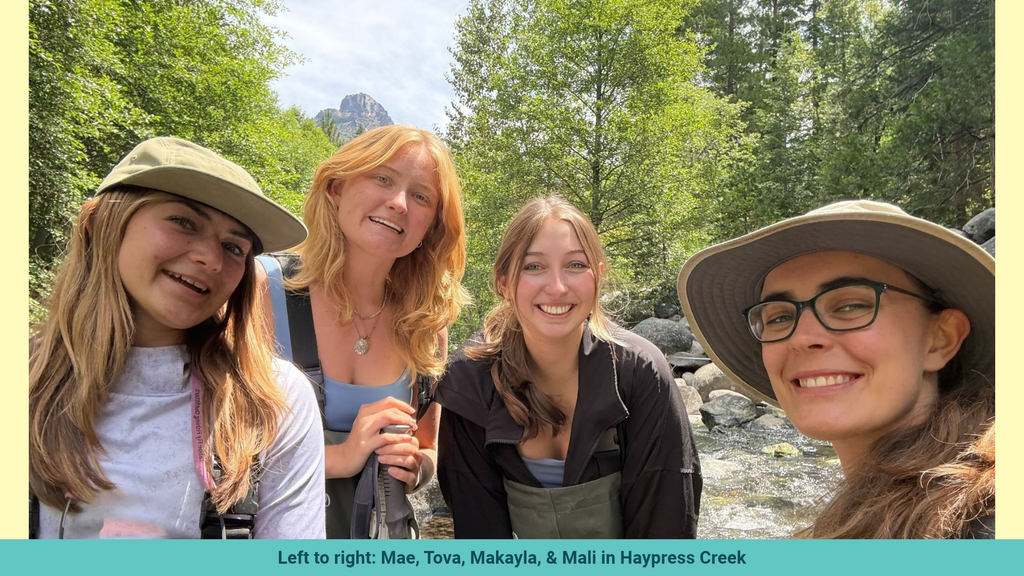
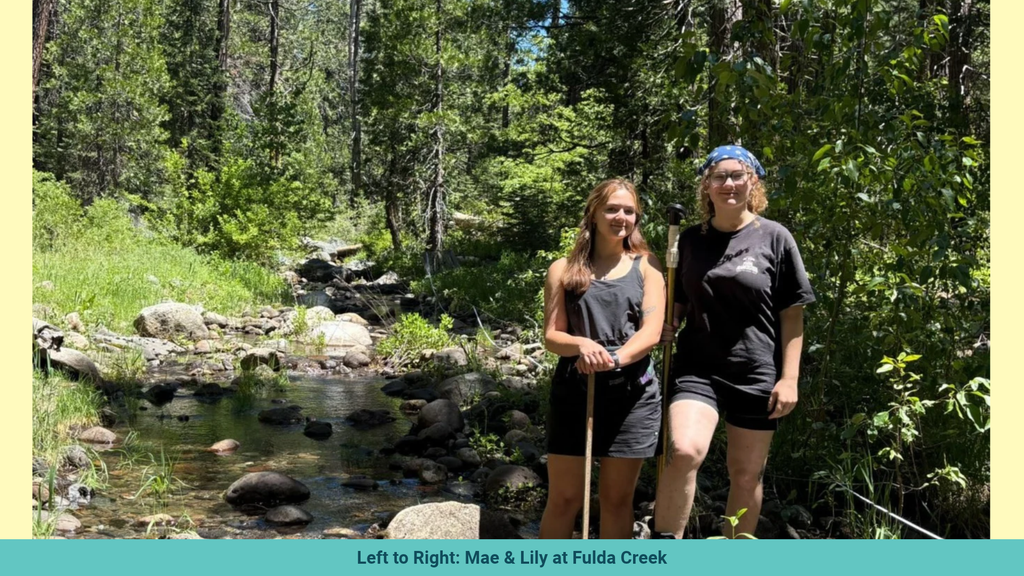
Our monitoring field team for the summer of 2026, was led by Field Technician Mae Nisbet, accompanied by four rotating Field Interns: Tova, Robert, Aziza, and Lilly. Due to the extensive breadth of work, field work was also supplemented by our River Ecologist, Mali, our River Technician, Grace, our Lab Intern, Makayla, and our amazing SSI volunteers! Over the course of the summer, our volunteers put in 521 hours of work collecting benthic macroinvertebrates (BMI), fine particulate organic matter (FPOM), course particulate organic matter (CPOM), algae, chlorophyll, & physical habitat data!
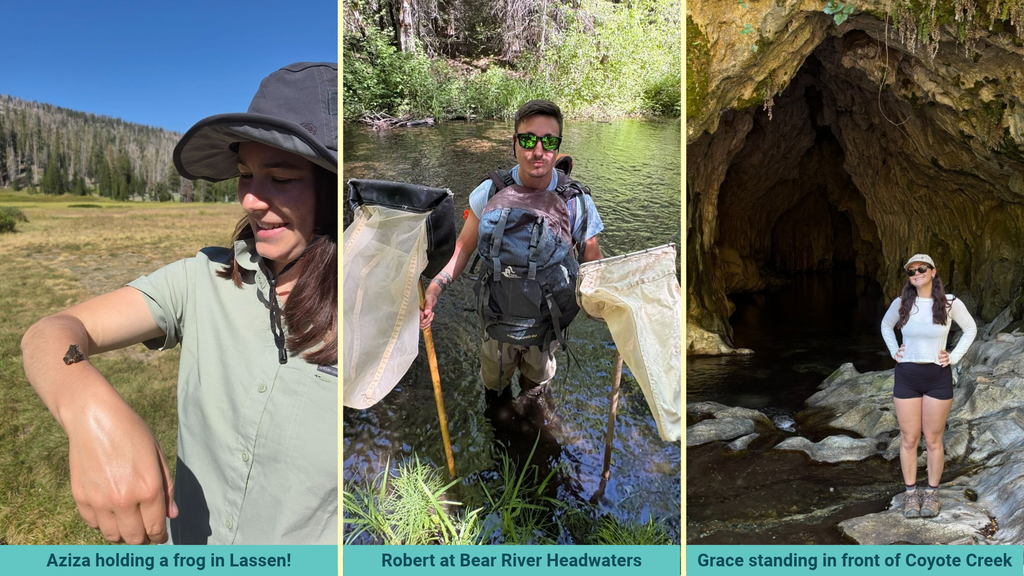
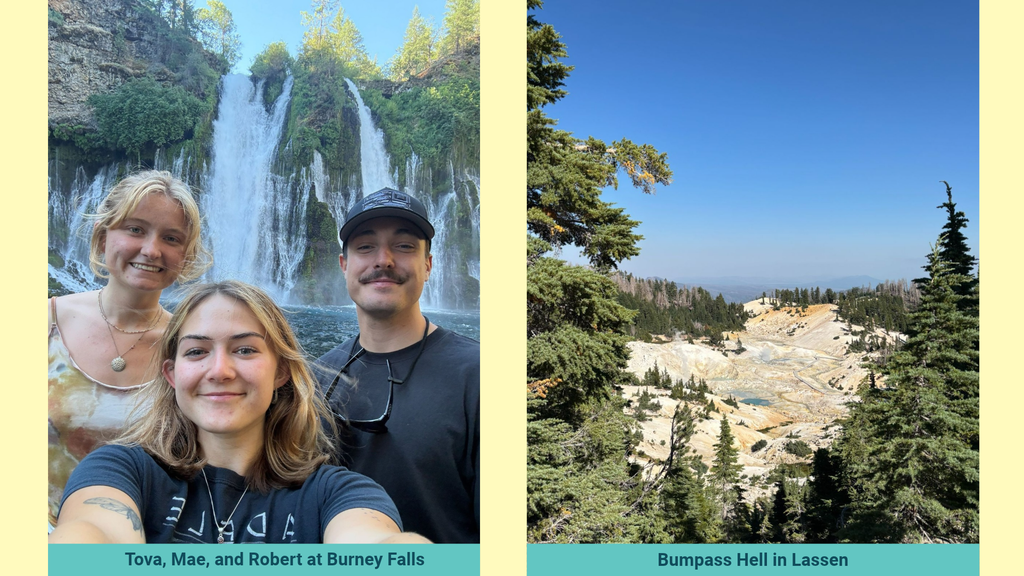
While our top agenda for the field season is completing creek surveys, our team gets to travel all across Northern California, and once data collection is over we feel it would be a shame not to enjoy it! These sites start as north as McCloud River up near Mount Shasta, and go as south as Coyote Creek in Angels Camp. Some highlights trips include visiting Lassen Volcanic National Park (more on that below) and the gorgeous McArthur-Burney Falls Memorial State Park. At Coyote Creek Natural Bridges we were able to swim through the cave under the natural bridge, and at Warner Creek watched an osprey swoop down and catch a fish. These are only a few of the many amazing places our team got to travel to during the field season!
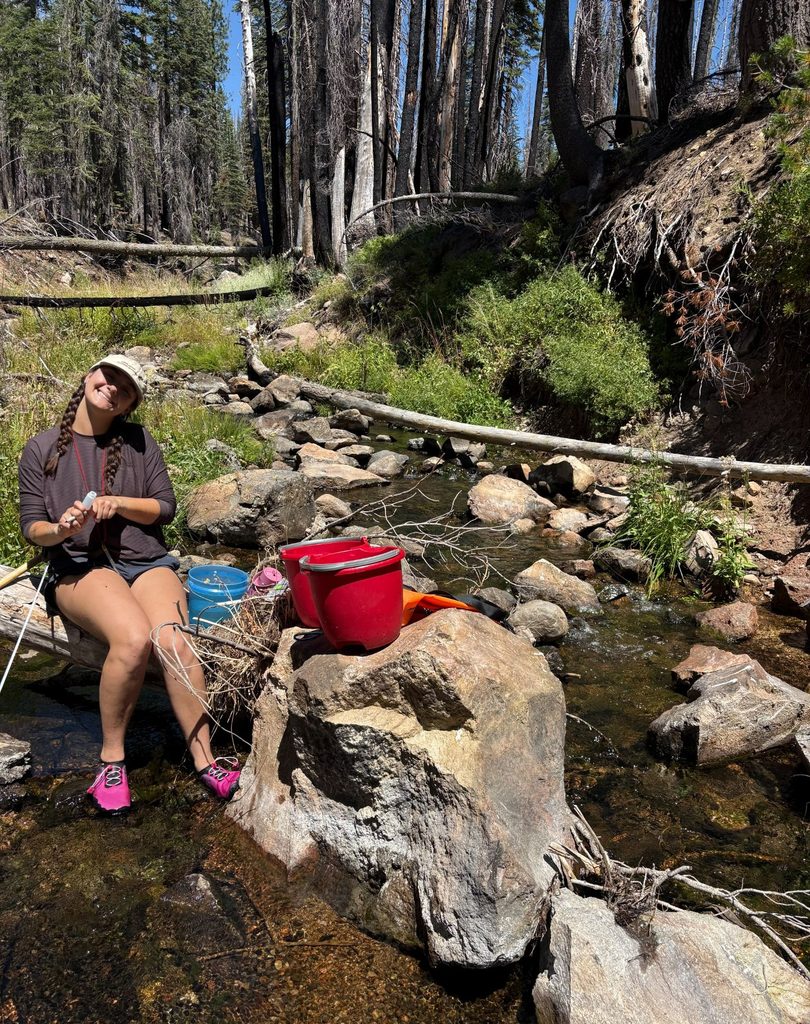
One of the most memorable creek survey trips for me was when we got to go to Lassen Volcanic National Park. We had four creek surveys to cover for this trip, one which coincidentally was a hike right out of our campsite, Grass Swale. This creek was located 2.5 miles into the middle of the burn scar from the 2021 Dixie Fire. It was both devastating and amazing going to this site. Despite the disintegrated forest, the creek was flowing and still gorgeous! It was cool to witness the regeneration of an ecosystem after mass devastation, as pictured below with the riparian plants filling back out on the banks.
Beyond the burn scar, we got to witness lush areas of Lassen National Park. On the day of our arrival, we hiked up to Bumpass Hell, the largest hydrothermal feature at Lassen. It was a beautiful hike that towered over the luscious green forest of Lassen and ended up at Lassen’s active sulfur springs that were bubbling at insanely high temperatures! After the hike, we got to take a dip in the freezing waters of Lake Helen before returning to camp.
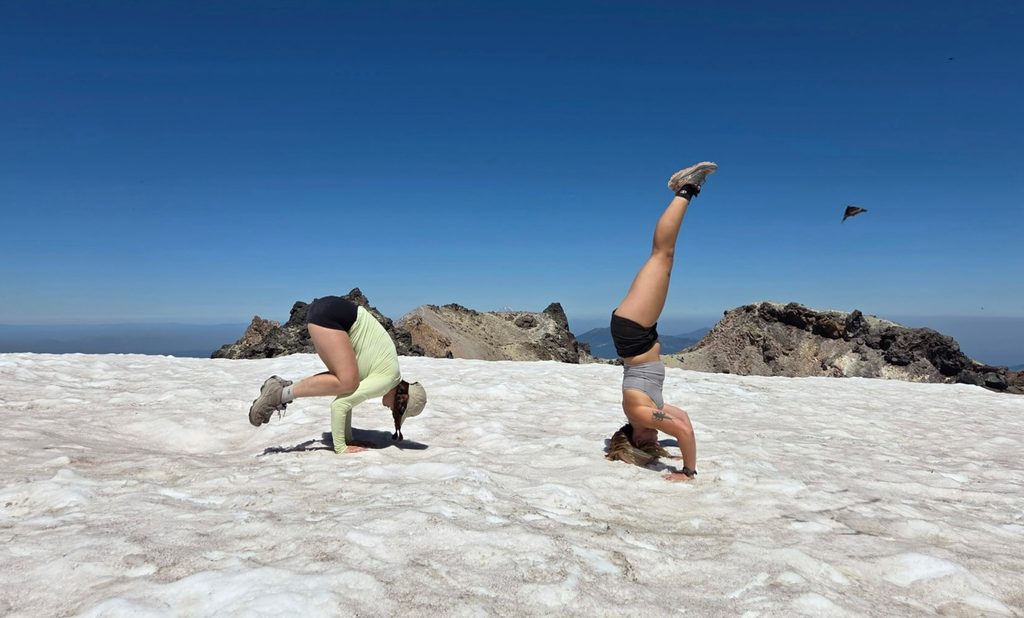
On our last day camping in Lassen, we got up early to summit Lassen Peak. This was a five mile hike with an elevation of about 2,000 feet. As you can see from the picture above, there were still areas with snow at the top of the mountain, despite it being early August! The most special part of this hike was the annual migration of California Tortoiseshell butterflies we were able to catch. It was absolutely magnificent and a proper case of the right time and right place. In the image above you can see a butterfly captured on the right side, near Mae’s feet. We got to witness massive swarms of butterflies all the way up at 10,000 feet elevation. It was truly amazing, and even more so that we were able to accomplish this all during a work trip.
Overall, I would say we had a very successful field season! Our lab was continually processing algae, chlorophyll, and FPOM samples as they came in from the field. And with the help from our Lab Interns, Makayla & Emily, we were able to process all of the summer samples within two weeks of our field season ending, creating essentially no backlog of samples (yay!). This was a huge accomplishment and this field season we made great strides toward understanding and monitoring these freshwater ecosystems. We want to thank our field and lab interns, monitoring team, and volunteers for a great season and we are excited to see what our data reveals as we wrap up the Delta Project.