Ask A Scientist – What Fish Are In Our Creek?
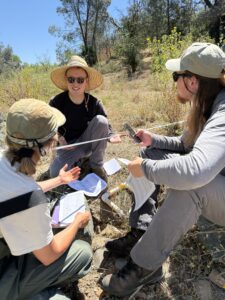
Originating at 4,800 feet in the Sierra Nevada foothills, Deer Creek winds its way through pine and ...

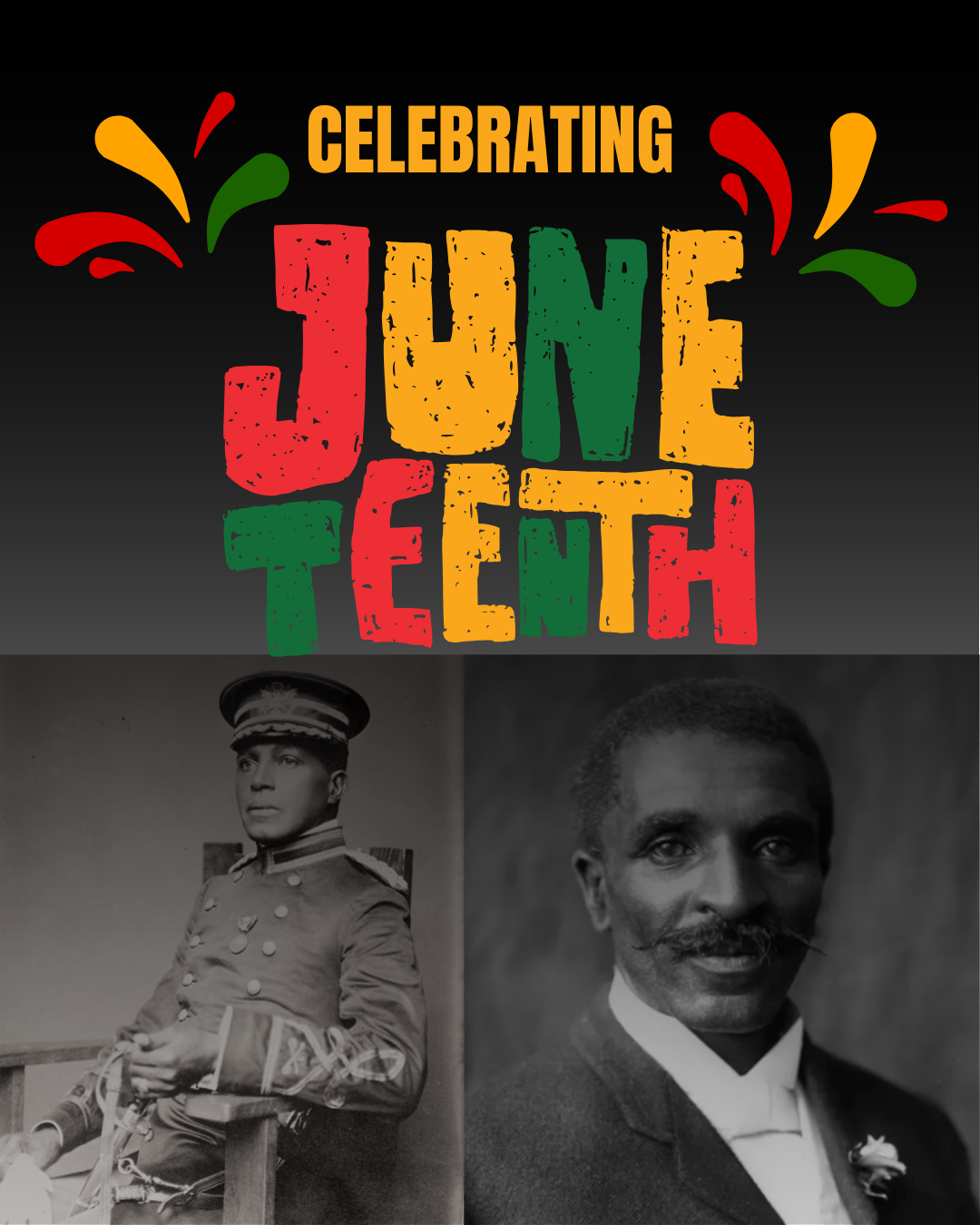
This week we celebrate Juneteenth, commemorating the end of slavery in the United States. On June 19, 1865, Major General Gordon Granger ordered the final enforcement of the Emancipation Proclamation in Texas. We want to take this Juneteenth to celebrate the impacts of black scientists and environmental advocates by highlighting two impactful historical figures: George Washington Carver and Colonel Charles Young.
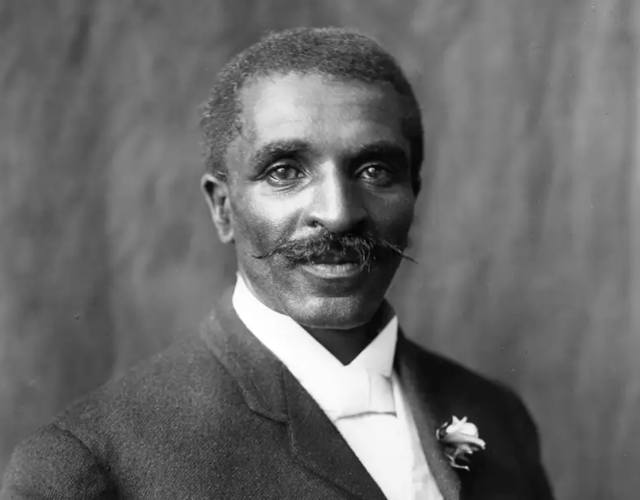
George Washington Carver was born in Missouri around 1864 and was raised by his mother’s former “owner” Moses Carver. At a young age George was fascinated with plants and would often collect specimens in the woods on the farm he lived. He received his high school diploma in his twenties while living in Kansas but realized there were no opportunities for black men to attend college. He moved to Iowa to go to college where he originally intended to study art and music. After discovering his interest in botany, a professor encourage him to transfer to Iowa State Agricultural College where he obtained his bachelor’s and master’s in agricultural science. At the time, George was the only African American with an advanced degree in agricultural science and was recruited by Booker T. Washington to teach at Tuskegee Normal and Industrial Institute, a vocational school for African Americans, in Alabama where we stayed for the remainder of his career.
George invented the Jesup Wagon which was a mobile classroom that he took from farm to farm demonstrating soil chemistry. His main focus was on crop rotation as cotton plants deplete the nutrients in Southern soils which would result in low crop yields. George encouraged farmers to grow plants that would enrich the soil with nitrogen including: soybeans, sweet potatoes, and peanuts allowing cotton to be planted in those areas every few years with higher cotton yields. George is probably most known as the “Peanut Man” because of his advocacy of peanuts and his development of more than 300 food and commercial products from peanuts.
George Washington Carver was well known in his time and today as someone who used science to educate his community and increase their standard of living. He not only was an innovative scientist but also used his knowledge to educate other and raise up his community.
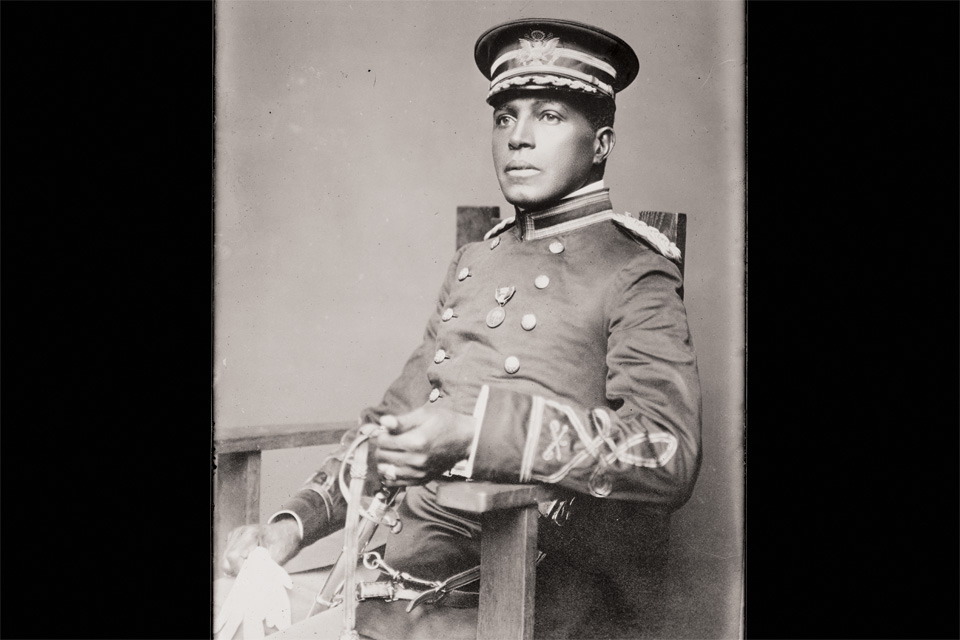
Charles Young was born into slavery on March 12, 1864 in Kentucky. After his family escaped slavery, his mother, Arminta, took pride in her son’s education and taught him the importance of academic rigor. Charles graduated with honors from high school in 1881. He enrolled in West Point where he was one of two cadets who were African American, and both dealt with an onslaught of racism from other cadets and some faculty. Charles became the third African American cadet to graduate from West Point. After graduating, he was assigned to one of the Buffalo Soldier regiments and served as a professor of military sciences and tactics at Wilberforce College.
In 1903, Charles Young became the first black National Park superintendent at Sequoia National Park and General Grant National Park (now part of Kings Canyon National Park). One of his major accomplishments was building the Giant Forest Road, which allowed for more visitors to enjoy the park and is still in use today. He also contributed to trail building and patrolling operations against illegal poachers and livestock grazing. In his October 15, 1903 report, Charles wrote, “Indeed, a journey through this park and the Sierra Forest Reserve to the Mount Whitney country will convince even the least thoughtful man of the needfulness of preserving these mountains just as they are, with their clothing of trees, shrubs, rocks, and vines, and of their importance to the valleys below as reservoirs of storage of water for agricultural and domestic purposes. In this, the necessity of forest preservation.”
After his time serving in the National Parks, Charles was assigned as one of the first military attachés in Haiti and later in Liberia. He was later forced into retirement prior to World War I under the claims growing of health concerns, but in reality there were concerns with his ascension into senior military rankings. To prove his physical fitness, Charles famous rode nearly 500 miles on horseback from Ohio to Washington DC. In 2022, he received a posthumous promotion to brigadier general.
Colonial Charles Young leaves a legacy of perseverance and passion in every aspect of his life. He was able to accomplish more during his short time as National Park superintendent than any superintendent before him and continued to advocate for preserving the Parks after leaving.
These two men were innovators and pioneers of their time whos accomplishments are still celebrated today. Their stories strengthen the fact that science is not dependent on status or color but meant to gain knowledge and share that knowledge with those around us. This Juneteenth we encourage you to think about the contributions of black scientists and environmental advocates and the positive impact they leave on all of us.
Who are your favorite black scientists and environmental advocates?