In The Weeds – Himalayan Blackberry
About 140 years ago, the prolific horticulturalist Luther Burbank of Santa Rosa, California received...

Written By Helen Fitanides and Mali Valerio
Questions: Why is there so much algae in the Yuba this year? Why does it seem like Hoyt’s crossing pools are most impacted?
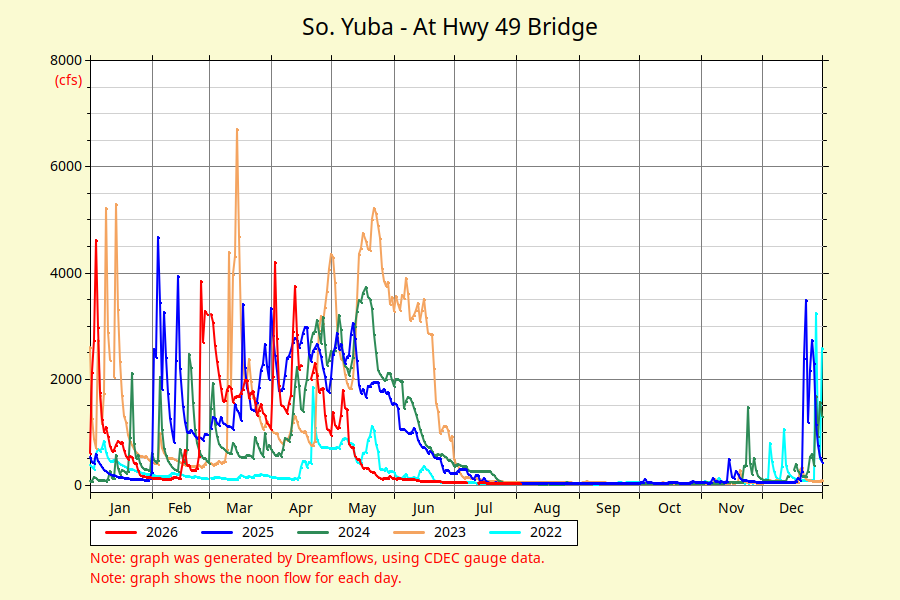
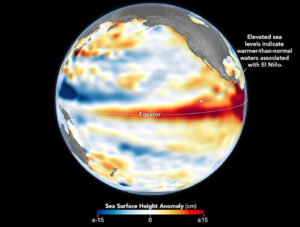
We had interesting weather this winter, which is contributing to lower flows than usual this summer. Between Fall 2025 and Spring 2026 we had a fair amount of rain but almost no snow. Typically, melting snow keeps our creeks and rivers running swiftly as temperatures rise in the late spring and early summer. Without that snowmelt, flows are lower than usual earlier in the season; this means that the creeks looked like they usually do in August, but it was June. This also means that we’re seeing higher water temperatures and increased algae growth earlier in the season.
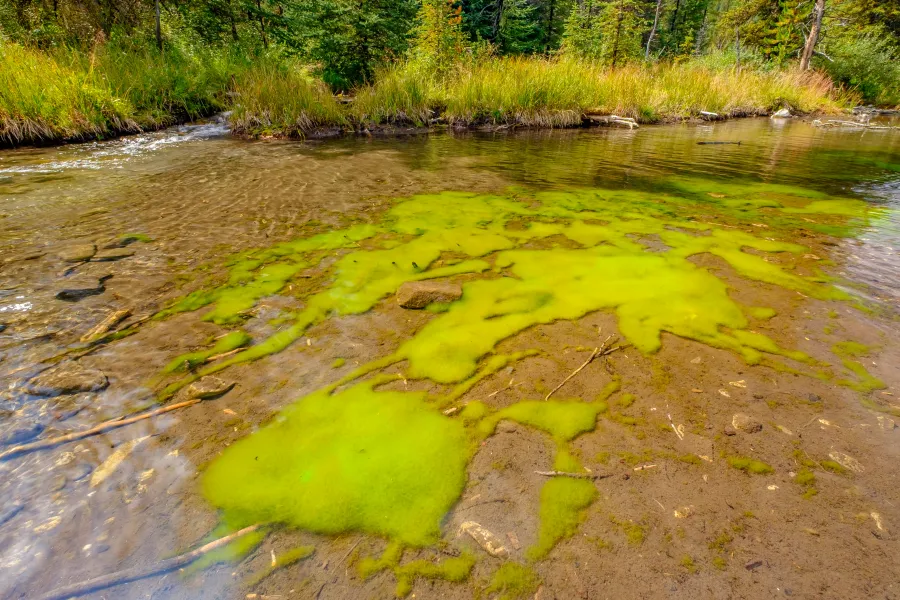
Pools, such as Hoyt’s Crossing pool, create good conditions for algae to grow in. Their slower moving water allows for sediments and nutrients to deposit along the river bed. The water sits in the pool and heats up under the intense mid summer sun. The lower the river flows, the more shallow the pools and thus the warmer the water gets. Nutrients + warm water = algal growth.
Algae grows rapidly when there is an excess of nutrients in the water, and are also seen when water temperatures are high. Water naturally contains many nutrients that exist in balance and are shared between all living organisms in the river, but when there are too many of certain nutrients, usually nitrates and phosphates, algae can grow rapidly, making the most of this excess. High water temperatures increase how fast the algae can eat and reproduce. Basically, they turn up to an all-you-can-eat buffet and eat a lot!
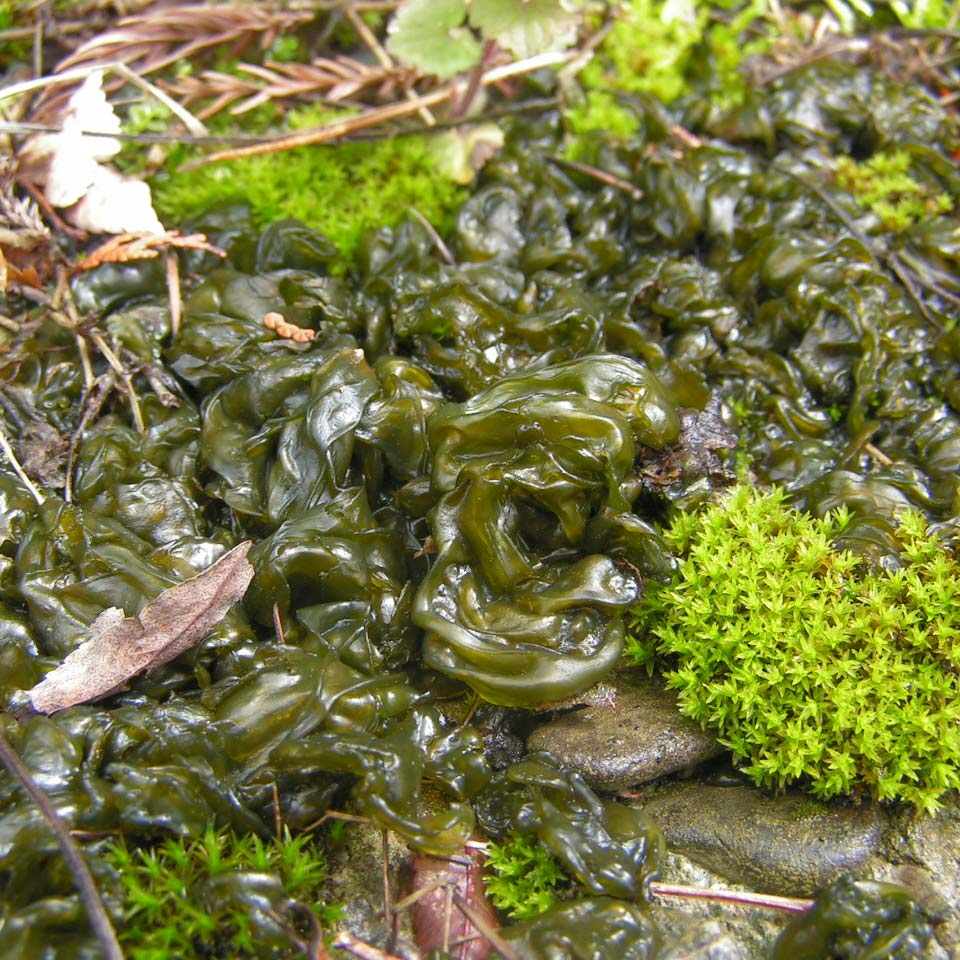
In the Yuba we are seeing algal mats, those large clumps of slimy swirling algae that cling to the rocks or downed tree branches, or even float along in the water column. These mats can be made up of many different types of algae communally living together, all contributing to the stringy frog snot, but the main algae in these mats are Anabaena, Lyngbya, Nostoc, Oscillatoria, and Phormidium. They can really deter folks from stepping into the rivers and streams that we love to swim in, and certainly raise questions about water quality and health.
Algal mats are not always bad, but they can be Toxic Algal Mats. Since these mats contain a multitude of different algae species, some species may be present that release toxic chemicals into the water that pose health risks to humans, pets, and wildlife. Unlike the more commonly known Harmful Algal Blooms in lakes and oceans that turn the water a unique color, like red, the Toxic Algal Mats still maintain clear water. There is no way to tell if these mats are toxic by just looking at the water, so it is best to practice healthy water habits.
As of mid-August, the State of California’s Water Quality Monitoring Council has not reported any harmful algal mats in the Yuba River watershed. You can also report algal blooms to the California Surface Water Ambient Monitoring Program here.
We hope you’re enjoying our Ask A Scientist series. If you have a burning science question, you can it here: https://sierrastreamsinstitute.org/ask-a-scientist/










David Herbst says:
Its also the absence of scouring flows during runoff that contribute to algae, especially filamentous forms, persisting and not being washed out of the riffles where they would typically be scoured out by swift rushing water in the spring melt.
Mm says:
Can you say more about the excess nutrients? Even on high flow years, it seems like there’s more and more stuff building up on the rocks.